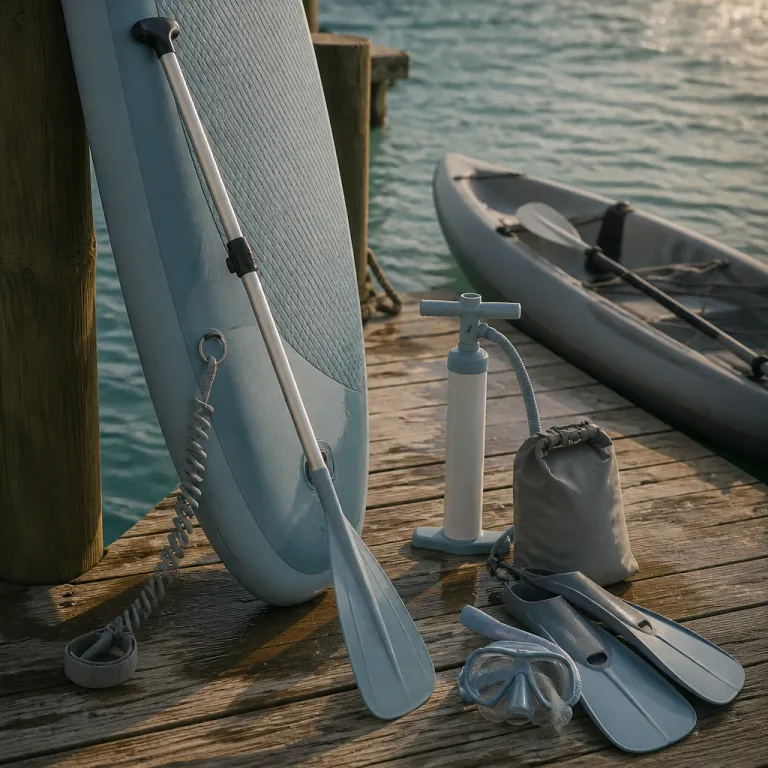
Choosing your base: how each key shapes your water time
The chain of islands that forms the Florida Keys stretches like a lazy arc into warm, clear water. Each island has its own rhythm, and the Florida Keys water sports scene shifts subtly as you drive from Key Largo to Key West. Pick the wrong base and you spend hours in the car instead of on the water.
In the Upper Keys, Key Largo and Islamorada, Florida feel closest to mainland Florida yet already deep in island time. Key Largo leans toward reef-focused trips, with easy access to the coral reef and John Pennekamp Coral Reef State Park, while Islamorada is the sport-fishing and shallow-flats capital that quietly hosts some of the best watersports offers for active travelers. Farther south, Marathon and the Middle Keys balance family-friendly resorts with a relaxed resort-marina culture, where boat rentals and jet ski rentals sit beside sailing cats and low-slung skiffs.
Key West and the Lower Keys shift the mood again, with more nightlife, more sunset cruises and more choice in every kind of cruise or tour. Here, Florida Keys water sports often bundle parasailing, jet ski tours and reef snorkel trips into half-day packages that let you enjoy several activities without changing boats. When you book a trip, think about whether you want a quiet Keys experience on mangrove channels, a sandbar outing with music and floating mats, or a social sunset cruise that glides past Mallory Square while the island applauds the sunset.
Kayaks, canoes and the quiet side of the backcountry
For many travelers, the most memorable experience in the Florida Keys happens not on the open reef but in the still water of the backcountry. Slide a kayak or canoe into a mangrove creek near Key Largo or Islamorada and the noise of the Overseas Highway fades in a few paddle strokes. This is where Florida Keys water sports slow down and the focus shifts to marine life, light and tide.
Upper Keys outfitters run guided kayak tours that weave through mangrove tunnels only a few metres wide. You glide over water so shallow that every coral fragment, sponge and seagrass blade is visible, and your guide points out juvenile fish using the roots as a nursery reef. Many resort-marina desks in Key Largo now keep a small fleet of kayaks and stand up paddleboards, so you can book learn sessions directly through your hotel and be on the water within minutes of leaving your room.
Islamorada, Florida, especially around the famous Islamorada sandbars and flats, offers a different kind of Keys experience. Here, half-day trips often combine a gentle paddle with a sandbar experience, where your guide anchors the boat in waist-deep water and sets out a simple picnic while you swim. Typical guided kayak rates in the Upper Keys run from about $50–$90 per person for two to three hours, with private sandbar add-ons priced higher. If you want a full day on the water, look at curated itineraries such as sunset sails and sandbar picnics, which pair afternoon paddling with an unhurried sunset cruise back toward your resort.
Stand up paddleboarding and dawn patrol sessions
Stand up paddleboarding has become one of the signature Florida Keys water sports for solo travelers who like to move at their own pace. At first light, the backcountry water often lies glassy and pale, with only the ripple of a stingray or the roll of a tarpon breaking the surface. Those quiet hours reward early risers who want to enjoy the Keys before the day boats head for the reef.
Key Largo and the sheltered bays between there and Islamorada are ideal for first-time paddlers, because the water stays shallow and forgiving for long stretches. Many resort-marina teams now offer short clinics so guests can book learn sessions that cover stance, paddle stroke and basic navigation in less than two hours. For a more adventurous trip, outfitters in the Middle Keys run guided paddle tours across turtle grass flats where you might see rays, small sharks and other marine life moving beneath your board.
In the Lower Keys, especially around Big Pine and the backcountry west of Key West, stand up paddleboarding becomes a way to reach remote sandbar areas that boats often skip. Some private charter operators now load boards onto shallow-draft skiffs, run you out to a hidden sandbar, then let you paddle the last stretch in silence. Expect basic SUP rentals to start around $30–$50 for a half day, with guided eco-tours costing more. If you are visiting during lobster mini season, read a detailed guide such as what it takes to score a legal haul before you plan any paddle-based lobster trips, because regulations, license requirements and reef etiquette matter as much as balance.
Kiteboarding, parasailing and powered thrills on the flats
Not every traveler comes to the Florida Keys for slow paddles and quiet channels. The broad, shallow flats that surround Islamorada and the Middle Keys also create a natural arena for kiteboarding, parasailing and other powered Florida Keys water sports. Here, the combination of warm water, consistent wind and forgiving depth gives both beginners and experts room to play.
Islamorada, Florida has become a regional hub for kiteboarding schools, with instructors who know every sandbar and channel marker by heart. Beginners usually start on the inside flats, where the water rarely rises above your waist and the soft sand bottom makes falls less intimidating, while advanced riders head toward deeper channels west of the main key to chase longer downwind runs. When you book a trip, ask whether your lesson includes boat support, because a chase boat can turn a nervous first session into a genuinely memorable experience.
For travelers who want the view without the workout, parasailing and jet ski tours offer a different kind of thrill. Key West operators often bundle parasail flights, jet ski loops around the island and short reef snorkel stops into multi-hour watersports offers that suit groups with mixed energy levels. In the Upper Keys, some private charter captains now add a short parasail or towable ride to a half-day sandbar experience, so you can enjoy both quiet time in the water and a quick burst of speed before the sunset. Typical parasail flights start around $70–$90 per person, while guided jet ski circuits often run $130–$180 per ski, depending on duration and route.
Reef, sandbars and private charters: tailoring your day on the water
Ask ten regular visitors about the best Florida Keys water sports day and you will hear ten different answers. Some will insist that a morning on the coral reef off Key Largo, followed by a lazy afternoon at a sandbar, defines the perfect Keys experience. Others will argue for a long private charter that drifts from reef to wreck to backcountry flat, with no fixed schedule beyond the position of the sun.
Key Largo remains the classic starting point for reef-focused trips, because the offshore coral reef lies only a short boat ride from most marinas. Here, boat rentals and guided snorkel tours run out to named sites such as Molasses Reef, where clear water and abundant marine life make it easy to enjoy the underwater world without scuba gear. If you prefer to stay flexible, look for rentals key options that allow you to pilot a small boat yourself, then follow clearly marked mooring buoys to approved snorkel spots.
Islamorada and the Middle Keys lean more toward mixed itineraries that combine reef time with a sandbar experience and perhaps a late afternoon sunset cruise. Many resort-marina desks can arrange a private charter that leaves mid-morning, spends a few hours on the reef, then shifts to a shallow sandbar where the crew sets out paddleboards and floating loungers. For a deeper sense of how locals shape their days on the water, read guides such as how the Keys built a cocktail identity, which trace the link between dockside bars, charter boats and the unhurried pace that defines life between the reef and the road.
Sunset rituals, cruises and where to stay for easy access
Every evening, the Florida Keys pivot toward the horizon as the light softens and the water turns metallic. Sunset is not a side note here; it is a daily ritual that shapes how Florida Keys water sports operators design their schedules. The smartest travelers plan their days so they can be on a boat, at a sandbar or at least on a pier when the sky starts to burn.
Key West has built an entire micro-economy around sunset cruises, from tall ship sails to sleek catamarans with open bars and live music. If you want a quieter sunset cruise, look for smaller operators that cap guest numbers and focus on sailing rather than party playlists, because the difference between a reflective hour on the water and a crowded deck can be stark. In the Upper Keys, Islamorada, Florida and Key Largo offer more low-key sunset cruises that often combine a short reef or backcountry tour with a slow glide home as the sun drops behind the mangroves.
When you book a trip, pay attention to how close your chosen hotel sits to a working resort marina. Properties with on-site boat rentals, jet ski docks and in-house tour desks make it far easier to enjoy last-minute watersports offers, especially if you want to squeeze in a quick paddle or sunset cruise between other plans. For solo travelers, staying within walking distance of a marina in Key West, Islamorada or Key Largo means you can join shared trips without worrying about parking or late-night drives along the Overseas Highway after a long day on the water.
Practical planning: safety, sustainability and booking smart
Planning Florida Keys water sports through a luxury or premium hotel adds a layer of convenience, but it also raises questions about safety and sustainability. The best properties treat their resort marina as an extension of the guest experience, not just a revenue stream, and that difference shows in how they brief you before each trip. Ask specific questions about group size, guide qualifications and emergency procedures before you book, and confirm that operators follow U.S. Coast Guard rules on life jackets, vessel capacity and weather-related cancellations.
Reef-safe sunscreen is non-negotiable in a region where coral reef health already faces pressure from warming water and coastal development. Many high-end hotels in Key Largo, Islamorada and Key West now stock mineral-based products at their watersports desks and encourage guests to apply them at least fifteen minutes before entering the water, to reduce direct impact on coral and marine life. When you join reef tours, choose operators who use mooring buoys instead of anchors, because that simple choice protects fragile coral structures over the long term.
From a booking perspective, Florida Keys water sports often sell out during peak holiday periods, so reserving key experiences at the same time you book your room makes sense. Look for flexible cancellation policies on private charter options, especially if your trip spans several days and you want to chase the best weather window for a reef or sandbar experience. Whether you stay in Key Largo, the famous Islamorada stretch, Marathon or Key West, a thoughtful mix of pre-booked trips and open hours will leave room for spontaneous offers that can turn a good Keys experience into a great one.
Key figures for water sports in the Florida Keys
- The Florida Keys National Marine Sanctuary protects approximately 9,600 square kilometres of water, including the only living coral barrier reef in the continental United States, which concentrates most guided snorkel and dive trips within a relatively compact area (source: NOAA Florida Keys National Marine Sanctuary, management plan overview, accessed 2024).
- Studies from the Florida Fish and Wildlife Conservation Commission report that boating and watersports activities in Monroe County support more than 20,000 local jobs, underlining how central reef tours, boat rentals and private charters are to the regional economy (source: Florida Fish and Wildlife Conservation Commission, boating economic impact summaries for Monroe County, latest update 2023).
- Water temperatures in the Florida Keys typically range from about 21 °C in winter to 30 °C in late summer, which allows year-round operation of Florida Keys water sports such as kayaking, paddleboarding and jet ski tours without seasonal shutdowns (source: National Weather Service Key West, long-term sea surface temperature normals, accessed 2024).
- Visitor surveys from the Monroe County Tourist Development Council indicate that over half of overnight guests participate in at least one on-the-water activity, and reef-related trips remain the single most cited reason for choosing the Keys over other Florida destinations (source: Monroe County Tourist Development Council, visitor profile studies, 2022–2023).
FAQ about water sports in the Florida Keys
Which key is best for first time water sports travelers ?
Key Largo is often the best starting point for first-time visitors, because the coral reef lies close to shore and many marinas specialise in beginner-friendly snorkel tours and calm-water paddling. Islamorada suits travelers who want a mix of flats, sandbars and fishing-focused trips, while Key West works well if you prefer bundled packages that combine several activities in one day. Your choice should reflect whether you prioritise reef access, nightlife or quiet backcountry channels.
Do I need a car to enjoy water sports in the Keys ?
A car makes it easier to sample different keys, but it is not essential if you base yourself in a walkable area near a resort marina. In Key West, many operators run shuttles from major hotels to departure docks, and you can join shared trips without driving. In Key Largo and Islamorada, staying at a waterfront property with on-site watersports offers reduces the need for daily driving.
Are Florida Keys water sports suitable for solo travelers ?
Most Florida Keys water sports are very solo-friendly, because operators routinely group individuals into small mixed parties. Kayak tours, snorkel trips and sunset cruises all work well if you are traveling alone and want social but low-pressure company. For more privacy, you can book a smaller private charter and ask the captain to tailor the route to your interests.
What should I pack for a water sports focused trip ?
Pack a long-sleeve sun shirt, reef-safe sunscreen, a wide-brimmed hat and polarised sunglasses to handle the intense reflection off the water. Lightweight water shoes help on rocky entries and hot decks, while a dry bag protects your phone and documents during boat transfers. Many hotels provide towels and basic snorkel gear, but frequent swimmers often prefer to bring their own mask for better fit.
How far in advance should I book reef and sandbar trips ?
During peak holiday periods and long weekends, reef tours and popular sandbar trips can sell out several days in advance, especially in Key Largo, Islamorada and Key West. Booking key experiences at the same time as your hotel reservation ensures you secure preferred time slots, such as early morning reef runs or sunset cruises. Outside peak times, you can often reserve a day or two ahead, but private charters still benefit from earlier planning.
Sources : NOAA Florida Keys National Marine Sanctuary ; Florida Fish and Wildlife Conservation Commission ; Monroe County Tourist Development Council ; National Weather Service Key West.