Reading the florida keys hotel architecture style design before you book
Choosing a hotel in the Florida Keys starts with reading its architecture before you ever read the amenity list. The florida keys hotel architecture style design signals whether you are stepping into a historic wooden house with ceiling fans and story filled porches, or a glass framed island resort where rooms suites open straight to a private beach and calibrated air conditioning. When you understand how architecture, design and service intersect, you can match your stay to your pace, whether you are in Key West for meetings or in Key Largo for a long weekend reset.
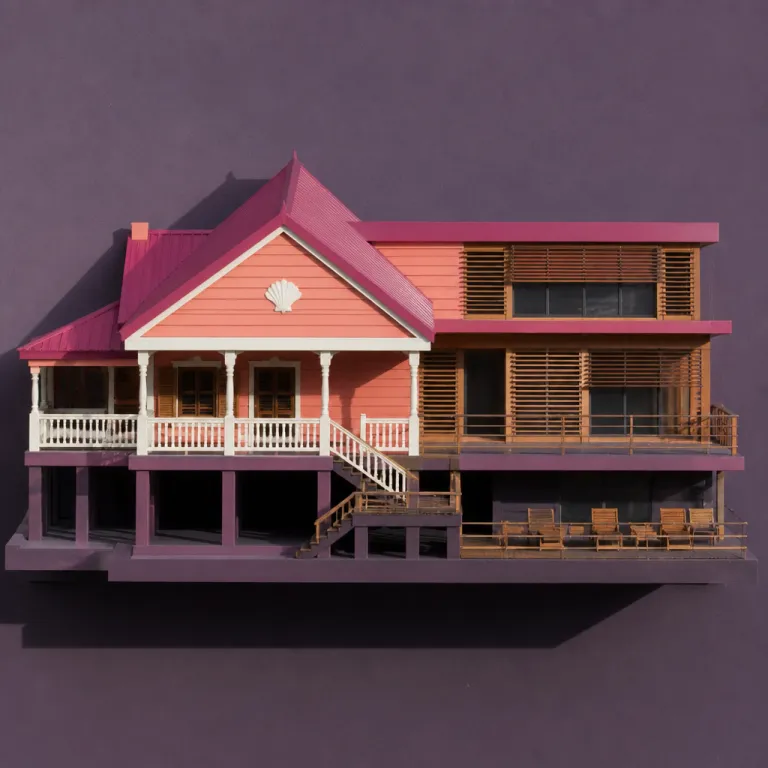
Across the Florida Keys, hotel architecture styles evolved from simple conch houses to layered resort spa complexes, yet the best properties still feel like style homes shaped by salt, light and wind. Early conch houses in Key West were built by Bahamian immigrants and local carpenters as elevated wooden homes, and those same architectural styles now inform how luxury hotels manage ventilation, shade and hurricane resilience. The official definition still holds that “Wooden structures with porches, built on piers, featuring clapboard siding” describe a classic conch house, and many hotels echo that language in their design briefs.
For business leisure travelers, this architectural literacy is not academic ; it is a practical filter. A florida keys hotel architecture style design rooted in traditional forms usually means deeper verandas, slower ceiling fans and more outdoor corridors, while a contemporary beach resort leans on sealed façades, high performance glazing and quiet corridors for focused work. When you scan photos of a resort key property, look at rooflines, balcony depth and how the lobby handles the transition from street to sea, because those details tell you how the hotel expects guests to live the island rhythm.
Conch houses in key west: from wooden homes to high end hotels
Walk a few blocks off Duval Street in Key West and you move through an open air textbook of florida keys hotel architecture style design. Rows of conch style homes, once private wooden houses for seafaring families, now host intimate hotels where guests sleep under tin roofs and wake to the sound of roosters and scooters. These structures were raised on piers to catch breezes and avoid floodwater, and that elevated architectural style still shapes how many Key West hotels handle storm surge and cross ventilation.
Historic data from the Key West Historical Society notes around 300 preserved conch houses in the city, and several have been converted into high service hotels that keep their original architecture while upgrading interior design, food and beverage programs and resort level amenities. Many façades still show Queen Anne flourishes in their gables and railings, while others lean toward simpler Caribbean lines that nod to Spanish Colonial influences without copying them. As tourism grew, architects and hoteliers worked with local artisans to blend these architectural styles with modern construction techniques, preserving the silhouette while re engineering the envelope for quieter rooms suites and better insulation.
Staying in one of these conch inspired hotels means trading a monolithic tower for a cluster of style homes around a pool, a spa cabana or a shaded courtyard. You might book a room in a former house where Bahamian immigrants once lived, now fitted with crisp linens, strong Wi Fi and a discreet resort spa treatment room tucked under the eaves. For a deeper dive into how these heritage structures connect to the broader idea of escape focused design, read this guide to how Keys hotels design for disconnection, then compare those principles with what you see in Key West property photos.
From casa marina to coastal modern: grand resorts along the beach
At the larger end of the spectrum, properties like Casa Marina in Key West show how florida keys hotel architecture style design can scale without losing a sense of place. Casa Marina stands as a study in Spanish Colonial inspired architecture, with long arcades, stucco walls and symmetrical wings framing lawns that run straight to a private beach. The hotel’s architecture and interior design work together so that guests move from shaded colonnades to open sand in a few steps, never quite leaving the resort yet always facing the water.
Across the Florida Keys, beach resort complexes in places like Key Largo and Islamorada reinterpret this grand resort language in lighter, more contemporary forms. A modern island resort might use white rendered walls, broad overhangs and wooden louvers instead of heavy arches, but the goal remains the same ; protect guests from harsh sun while keeping sightlines to the ocean and the palms. Properties that call themselves a resort spa usually cluster treatment rooms, pools and food and beverage outlets around a central axis, so the architecture quietly choreographs how you move from breakfast to meetings to a late swim.
When you evaluate these resorts online, look beyond the palm island marketing shots and study the plan. Does the beach resort push rooms suites back behind dunes, or does it step them down in terraces toward the sea, each with its own balcony and partial shade. The florida keys hotel architecture style design that feels most refined tends to layer public and private zones carefully, giving business travelers quiet corridors and work friendly rooms while still offering direct, almost theatrical routes from lobby bar to sunset pier.
Mid century motels, cay resorts and the new coastal minimalism
Not every memorable stay in the Florida Keys happens in a grand resort or a historic house. Along the Overseas Highway you still find mid century motels and low slung cay resort properties that have been carefully edited rather than erased, giving guests a different angle on florida keys hotel architecture style design. These former roadside stops now host design forward rooms suites with refreshed interior design, while keeping their original U shaped layouts around pools and their direct car to door convenience.
In Key Largo and Marathon, several renovated motels show how simple wooden structures and concrete block shells can become relaxed style homes for travelers who care more about dock access than chandeliers. Architects retain the honest lines of the original architecture, then add tropical landscaping, better glazing and thoughtful food and beverage concepts that feel more like neighborhood hangouts than anonymous hotel restaurants. The result is a new generation of island resort experiences where the architectural styles are modest, but the service, linens and cocktails quietly meet luxury expectations.
Coastal modern design in the Keys often means white walls, pale stone and plenty of glass, yet the best examples avoid feeling generic. They borrow from conch and Spanish Colonial precedents with deep overhangs, shaded walkways and carefully placed palm trees that filter light into lobbies and spas. When you read property descriptions that mention cay resort vibes or mid century heritage, look at how the florida keys hotel architecture style design uses proportion, shade and circulation to balance nostalgia with the practical needs of today’s guests.
Indoor outdoor living: thatched roofs, verandas and the spa to sea flow
The most distinctive thread in florida keys hotel architecture style design is the way properties blur the line between indoors and outdoors. Traditional conch houses used wraparound porches, shutters and raised floors to manage heat and storms, and many hotels still echo those moves with deep verandas, open air lobbies and covered walkways. Guests feel the tropical climate the moment they step out of their rooms suites, yet can retreat to cooled interiors when the sun peaks.
Some island resort complexes experiment with thatched roof pavilions for pool bars, yoga decks or spa treatment huts, borrowing a visual language from the South Pacific while engineering them carefully for Florida’s weather. These structures sit beside more conventional wooden or concrete buildings, creating a layered architectural style where guests move from solid, climate controlled spaces to breezy, semi open lounges in a few steps. The best resort spa layouts make that journey intuitive, so you drift from massage table to plunge pool to private beach cabana without ever feeling lost.
For travelers who need to balance laptop time with salt air, the key is to read how each property handles this indoor outdoor gradient. Some beach resort designs favor fully enclosed meeting rooms and quiet business lounges, while others lean into open air pavilions where ceiling fans and sea noise become part of the soundtrack. If you want more nature in your stay, pair this architectural lens with a guide to nature inspired luxury hotel experiences in the Keys, then shortlist hotels whose architecture, spa layout and landscape design all point in the same direction.
How to read photos and plans when choosing your Keys hotel
When you compare florida keys hotel architecture style design options online, train your eye to read images like an architect. Start with the rooflines ; tin or shingle roofs with generous overhangs and visible rafters usually signal conch or Queen Anne influenced wooden homes, while flat roofs and parapets suggest more contemporary or Spanish Colonial inspired structures. Next, look at how many floors the hotel has and how the rooms suites relate to the water, the street and the pool.
On Key West and neighboring islands, a cluster of small houses around a shared garden often means a quieter, more residential experience than a single large block facing the beach. In Key Largo, larger beach resort complexes might stack rooms in tiers, but thoughtful design still gives most guests at least a partial ocean view and a short walk to the sand. Pay attention to circulation ; exterior corridors and open staircases feel more casual and tropical, while interior hallways and elevators lean toward a business friendly, climate controlled environment.
Finally, read the interior design cues with the same care you give to the architecture. Natural woods, woven textures and ceiling fans usually align with a relaxed island resort mood, while polished stone, strong art programs and dramatic lighting point toward urban style luxury even in a palm island setting. As tourism boards and hotel owners note, the evolution “from traditional conch houses to modern designs incorporating historical elements” is ongoing, so the smartest travelers choose properties where that evolution feels intentional, not cosmetic.
Key figures shaping architecture and tourism in the Florida Keys
- Roughly 300 historic conch houses remain in Key West, according to the Key West Historical Society, giving the city one of the highest concentrations of preserved wooden coastal homes in the United States.
- Key West welcomes about 2 500 000 tourists each year, based on Florida Tourism Board data, which sustains demand for a wide range of hotel architectural styles from conch inspired houses to large beach resort complexes.
- The architectural evolution from 19th century conch houses to present day coastal modern resorts reflects a long term strategy to preserve cultural heritage while meeting contemporary guest expectations for comfort, technology and spa level amenities.
- Local artisans and architectural firms collaborate on restoration and new builds, blending traditional carpentry with modern construction methods to improve hurricane resilience and energy performance without losing the visual language of the Keys.
FAQ: florida keys hotel architecture style design
What defines a conch style hotel in the Florida Keys ?
A conch influenced hotel usually adapts the classic conch house template to hospitality use. That means wooden structures on raised piers, broad porches or verandas, tin or shingle roofs and generous windows for cross ventilation. Many Key West properties keep these architectural elements outside while updating interior design, bathrooms and technology to modern luxury standards.
How has hotel design evolved across the Florida Keys ?
Hotel design in the Keys has shifted from simple conch houses and small guest homes to a spectrum that now includes mid century motels, large beach resort complexes and refined coastal modern island resort projects. Architects increasingly blend historical references such as Queen Anne trim or Spanish Colonial arches with contemporary materials and engineering. The goal is to protect cultural heritage while giving guests quieter rooms, better climate control and more sophisticated spa and food and beverage offerings.
Why are conch houses important for today’s hotel guests ?
Conch houses represent the architectural DNA of the Florida Keys, and staying in a hotel that preserves this style connects guests directly to local history. These buildings were designed for the tropical climate long before air conditioning, so their porches, shutters and raised floors still make sense for comfort and storm resilience. For many travelers, that sense of authenticity and place matters as much as the resort spa menu or the thread count.
How can I tell if a Keys hotel will feel more business friendly or more resort like ?
Look at the florida keys hotel architecture style design in photos and plans before you book. Properties with interior corridors, strong acoustic separation and more vertical massing usually feel better for business travel, while clusters of low wooden homes, open air lobbies and thatched roof pavilions lean toward relaxed resort living. Reading these cues helps you choose whether you want a focused, climate controlled base or a more immersive tropical environment.
Are newer coastal modern hotels less authentic than historic properties ?
Not necessarily ; authenticity in the Keys comes from how thoughtfully a hotel responds to climate, culture and landscape, not just from age. Many coastal modern resorts borrow key principles from conch and Spanish Colonial precedents, such as deep overhangs, shaded walkways and strong indoor outdoor connections. When those moves are combined with local art, careful landscape design and respectful massing, a new build can feel as rooted in the islands as a century old house.
Sources and further reading
- Key West Historical Society
- Florida Tourism Board
- American Institute of Architects – Florida Chapter