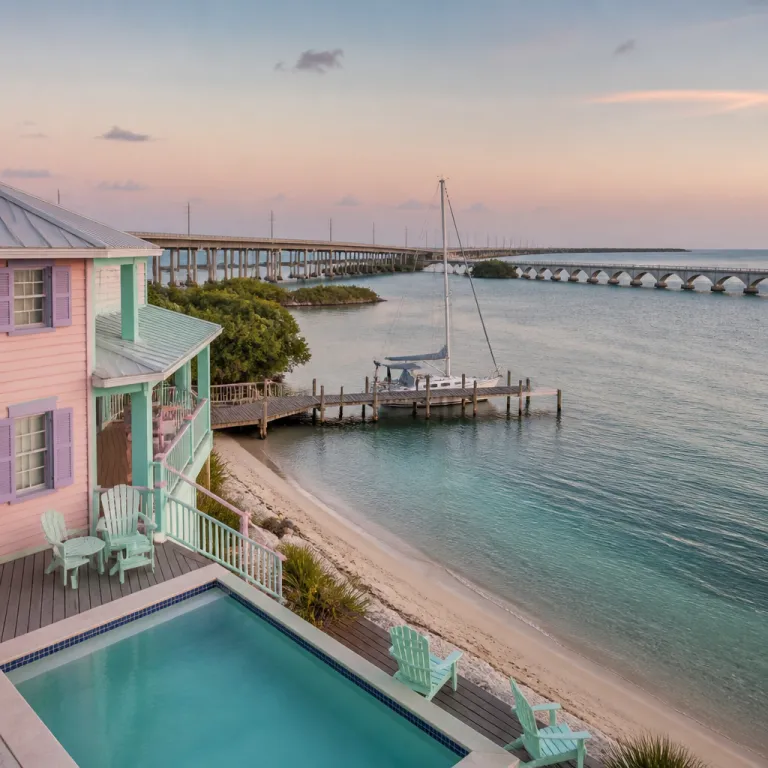
Why a luxury stay in the Florida Keys belongs on your travel pipeline
Planning a refined escape to the Florida Keys works best when you approach it as a clear, step-by-step process, with each decision unlocking a more tailored experience. When you treat your hotel search as a deliberate sequence rather than a last-minute task, you can align oceanfront suites, historic landmarks, and curated activities into one coherent journey. This mindset turns a simple reservation into a layered itinerary that respects both your time and your expectations.
Think of your travel planning pipeline as four clear stages, moving from inspiration to research, shortlisting, and final booking, each informed by the character of the islands. At every stage, the Florida Keys reward travelers who pay attention to heritage, from Key West’s pastel mansions to Islamorada’s old fishing camps turned into polished resorts. By the time you reach the last step of your planning pipeline, you are not just choosing a room, you are choosing which chapter of Keys history you want to wake up in each morning.
Luxury and premium properties here lean into that sense of place, pairing high thread count linens with stories of shipwrecks, writers, and rum runners. Guests who value both comfort and context quickly realize that the most memorable stays come from hotels that frame the view with history rather than generic decor. When you structure your search like a step by step booking pipeline, you naturally filter toward these character rich addresses that sit within walking distance of lighthouses, forts, and storied streets.
Choosing the right island base near historic landmarks
Selecting where to stay along the Keys is the most strategic stage of any travel planning pipeline, because each island offers a different relationship with history. Key West places you within a short walk of the Ernest Hemingway Home, Harry S. Truman Little White House, and Fort Zachary Taylor, while still surrounding you with upscale inns and waterfront resorts such as The Marker Key West Harbor Resort or Pier House Resort & Spa. Farther up the chain, Marathon and Key Largo offer quieter luxury properties that sit close to historic bridges, lighthouses, and preserved railroad remnants.
When your booking pipeline reaches the comparison phase, map each shortlisted hotel against the landmarks you care about most. Travelers who prioritize aviation access and time efficiency often focus on Key West, where the local airport is undergoing a significant upgrade; you can follow the details of this transformation through the Key West airport overhaul guide. Others may prefer Islamorada or Marathon, where luxury stays feel more secluded, yet still keep you within a short drive of Pigeon Key, the Seven Mile Bridge, and small heritage museums.
As you refine your accommodation pipeline, consider practical metrics such as transfer times, walkability, and proximity to guided tours. A property a few hundred meters from a major landmark can save you hours over a multi night stay, especially in peak season traffic. For many guests, that convenience justifies choosing a premium hotel with strong concierge services that can secure timed entries, private guides, and sunset cruises around historic sites.
Key West’s literary and architectural heritage from a luxury base
Key West remains the cultural heart of the archipelago, and any serious planning pipeline for history minded travelers should give it a central role. The island’s compact grid of streets holds an unusually dense collection of Victorian homes, conch houses, and former cigar factories, many now restored as elegant hotels. Properties such as The Gardens Hotel, Marquesa Hotel, and Casa Marina Key West, Curio Collection by Hilton place guests within this historic fabric, so you can step from a marble floored lobby directly into lanes once walked by writers, presidents, and playwrights.
When your experience pipeline reaches the planning stage, focus on how your hotel connects you to this literary and architectural fabric. Some properties curate walking maps that link guests to the Hemingway Home, Tennessee Williams Museum, and the former residences of poets and playwrights; for deeper context, the feature on Key West’s literary hotels and writers’ haunts is a useful reference. Choosing a premium stay within this historic core means you can explore these sites early in the morning or late in the evening, when the streets are quieter and the light is softer.
As you finalize this segment of your booking pipeline, pay attention to room categories that frame historic views. A balcony overlooking a preserved streetscape or a suite facing a century old church can subtly change how you experience the island’s narrative. Guests often report that such visual anchors make their stay feel less like a generic beach holiday and more like a short residency in a living museum.
Islamorada and Marathon: refined stays near maritime history
Not every travel planning pipeline needs to center on Key West, especially for travelers drawn to maritime history and quieter luxury. Islamorada, often called the sportfishing capital of the world, has deep roots in seafaring culture, hurricanes, and the early days of the Overseas Highway. Today, high end resorts and vacation homes such as Cheeca Lodge & Spa or Amara Cay Resort sit beside small heritage sites that tell stories of storms, shipwrecks, and the families who rebuilt.
When your itinerary pipeline turns toward these middle Keys, evaluate how each property frames access to historic piers, old marinas, and interpretive centers. Many guests choose Islamorada for its balance of privacy and culture, pairing a villa or suite with visits to the History of Diving Museum and local art galleries that chronicle the islands’ evolution; the curated overview of elegant Islamorada vacation homes can help you benchmark standards. Marathon, by contrast, positions you close to Pigeon Key and the Seven Mile Bridge, where remnants of Henry Flagler’s railroad still shape the landscape.
As you refine this branch of your accommodation pipeline, consider whether you prefer resort style amenities or the independence of a serviced villa. Distances between islands are modest, often less than 20 kilometres, so a well chosen base can support day trips to multiple historic landmarks. This flexibility allows you to enjoy sunset cocktails at your hotel while still dedicating daylight hours to exploring lighthouses, small museums, and restored railroad structures.
Aligning premium hotel amenities with heritage focused itineraries
A thoughtful travel planning pipeline does more than match you with a comfortable bed, it aligns hotel amenities with the historic experiences you value. Travelers who plan to spend long days touring forts, museums, and walking trails often appreciate properties with strong wellness offerings, such as hydrotherapy pools, restorative spas, and shaded cabanas. These features turn the hotel into a recovery hub after hours spent under the subtropical sun.
During the evaluation phase of your booking pipeline, ask each property how its concierge team supports heritage focused itineraries. Some luxury hotels maintain relationships with licensed guides who specialize in the Overseas Railroad, Cuban heritage, or maritime archaeology, while others can arrange private boat charters to view lighthouses and historic keys from the water. Clarifying these services in advance helps you compare hotels on more than just room size and view category.
As you move toward the booking step of your accommodation pipeline, consider the value of flexible check in times, late check out, and luggage storage. These small operational details can determine whether you can fit in a final museum visit or lighthouse tour before heading to the airport. For many guests, the most satisfying stays come from hotels that treat cultural exploration as part of their core offering rather than an afterthought.
Building a resilient booking strategy for peak seasons
The Florida Keys operate on a pronounced high season, so a resilient travel planning pipeline is essential for securing premium rooms near historic landmarks. Demand for oceanfront suites and heritage adjacent properties can outstrip supply quickly, especially around major holidays and regional festivals. Travelers who treat their search as a structured pipeline rather than a casual browse tend to secure better rates and more suitable room types.
At the research stage of your booking pipeline, track flexible dates and consider midweek arrivals, which often provide better access to in demand categories. Many luxury hotels release inventory in phases, and some hold back specific suites for direct bookings or repeat guests, so maintaining contact with reservations teams can be worthwhile. When you reach the decision point in your accommodation pipeline, weigh the benefits of refundable rates, which can protect your plans if weather or flight schedules shift.
Once your reservation is confirmed, treat the post booking phase of your itinerary pipeline as an opportunity to refine experiences rather than an endpoint. Share your interest in historic landmarks with the concierge so they can suggest timed entries, private tours, or lesser known sites that match your pace. This proactive communication often leads to tailored touches, from curated reading lists to suggested walking routes that start right at the hotel door.
Key figures shaping luxury travel and heritage in the Florida Keys
- According to Visit Florida’s 2022–2023 tourism overview, the Florida Keys welcome more than 5 million visitors annually, with a significant share choosing Key West for its concentration of historic landmarks and cultural sites; see the regional breakdowns in Visit Florida’s official research publications.
- Data from the Monroe County Tourist Development Council’s 2021 economic impact report indicates that tourism spending in the Keys exceeds 2 billion US dollars per year, supporting extensive preservation efforts for historic homes, forts, and museums across the islands; the full report is available through the Monroe County TDC research pages.
- Reports from the Florida Department of State and the National Register of Historic Places, updated in 2020, highlight that more than 30 properties in Key West alone are listed on the National Register, creating an unusually dense heritage environment for guests staying within the compact island centre; individual listings can be verified in the National Park Service’s National Register database.
- Airport statistics from Key West International Airport’s 2022 traffic summary show steady growth in passenger numbers over the past decade, a trend that has driven major terminal upgrades aimed at improving access for high end leisure travelers; annual summaries are published on the airport’s official statistics pages.
- Surveys by local hotel associations in Monroe County, published between 2019 and 2022, suggest that guests who engage in cultural or heritage activities during their stay tend to spend up to 20 percent more on accommodation and services, reinforcing the link between premium hotels and historic tourism; methodology notes are typically included in the association’s public reports.
FAQ about luxury stays and historic landmarks in the Florida Keys
Which island is best for luxury hotels near historic landmarks ?
Key West offers the highest concentration of luxury and premium hotels within walking distance of major historic landmarks such as the Hemingway Home, Truman Little White House, and Fort Zachary Taylor. Travelers seeking a quieter atmosphere often choose Marathon or Islamorada, then drive to specific sites. Your choice should balance desired ambiance, travel time, and the landmarks you most want to visit.
How far are the main historic sites from the airport ?
From Key West International Airport, most central historic sites are within 5 kilometres, typically a 10 to 20 minute drive depending on traffic. In Marathon and Islamorada, distances to local museums and railroad heritage sites are usually under 15 kilometres. Renting a car or arranging a hotel transfer provides the most flexibility for multi stop itineraries.
Do luxury hotels in the Keys offer guided history tours ?
Many premium properties either host their own guided walks or partner with local historians and tour companies. These experiences can range from architectural walks through Old Town Key West to boat based tours of lighthouses and historic keys. It is wise to ask about such options during the planning stage so you can align tour times with check in and check out.
When should I book to secure the best historic area rooms ?
For peak season stays, booking several months in advance is strongly recommended, especially if you want specific room categories overlooking historic streets or waterfronts. Shoulder seasons often provide more flexibility, but premium rooms near key landmarks still sell quickly. Flexible dates and midweek arrivals can significantly improve your chances of securing preferred options.
Are historic districts in the Keys walkable from most luxury hotels ?
In Key West, many high end properties sit directly within the historic district, making it easy to explore on foot. In Marathon and Islamorada, hotels are more spread out, so walking access varies and short drives are common. Checking exact distances on a map before booking helps ensure the level of walkability you expect.