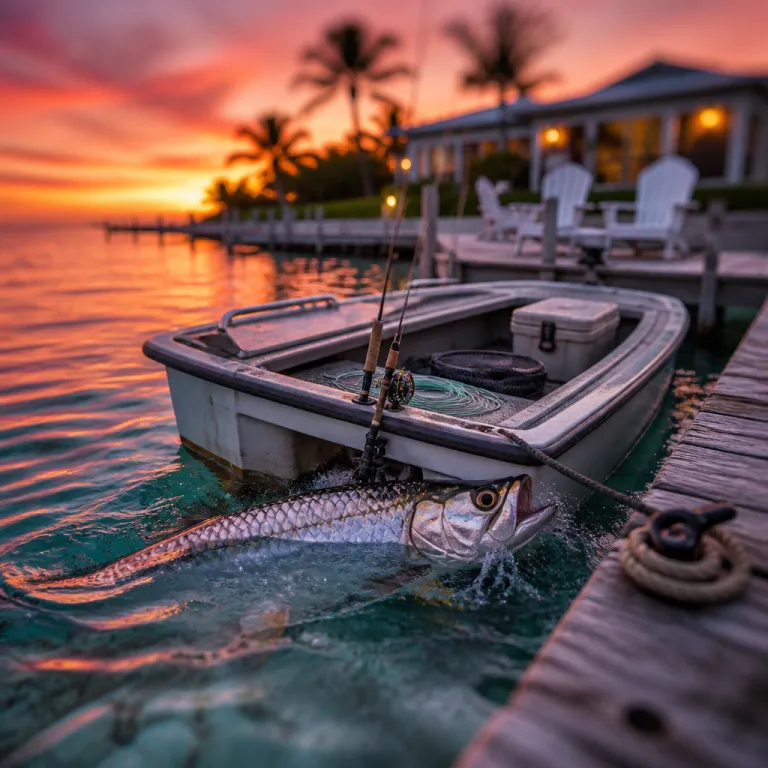
Why tarpon season shapes how you choose a luxury stay
Tarpon season in the Florida Keys quietly rewrites what a luxury stay means. When you plan a Florida Keys tarpon fishing trip in summer style, the sunrise tide matters as much as the thread count. A good hotel becomes a key piece of fishing strategy in itself, aligning room service, dock access and guides with the exact time of your first cast.
From Key Largo down to Key West, the rhythm of tarpon fishing defines when serious anglers wake, eat and sleep. Peak tarpon season in the Florida Keys typically runs from March through June, with July still offering strong shots at the migration according to long term guide reports and Florida Fish and Wildlife Conservation Commission summaries that highlight spring and early summer as the prime window. That timing shapes everything from when you book a full day charter to which property can chill your bait, freeze your catch when regulations allow and store delicate fly tackle safely between outings.
Luxury travelers often arrive thinking only about the room, yet the best Florida Keys hotels for anglers think first about the water. They understand that this time of year, a guest might come back from a long day of tarpon fishing or flats fishing needing fast laundry, a quiet massage and a late dinner reservation. When you treat your stay as the base camp for fly fishing, live bait drifting or sight casting on the flats, you start to see why certain Keys properties such as Cheeca Lodge & Spa in Islamorada or Oceans Edge Resort & Marina in Key West have become legends among repeat anglers who return year after year.
Islamorada lodges and the culture of the silver king
Islamorada calls itself the Sport Fishing Capital of the World, and in peak fishing season that is not marketing fluff. Here, tarpon are not just fish; they are a shared obsession that shapes how local guides, hotels and restaurants operate from April to July. The best properties in Islamorada feel like refined fishing lodges, where early time on the water is treated as seriously as a tasting menu and where on site marinas keep skiffs only steps from your room.
On a typical day, anglers slip out before sunrise, walking past pools still empty toward docks where fishing charters idle quietly. Local guides know that from March through June, migrating Florida tarpon push along the oceanside and backcountry edges of each Key, and they time departures to intercept the schools. Many high end hotels coordinate wake up calls with your captain, prepare boxed breakfasts and keep coffee ready for those who spent the previous night tying fly patterns to match local bait. At places like Islamorada’s Postcard Inn Beach Resort & Marina, staff routinely sync housekeeping and dock schedules with captains such as Richard Stanczyk or Capt. Steve Huff so guests can move from pillow to poling platform without friction.
The culture here is technical yet relaxed, with fly fishing purists sharing bars with guests who prefer live bait and heavy tackle. One verified guideline from local experts and Florida Fish and Wildlife Conservation Commission data captures the seasonal reality clearly: “April to June is the peak season.” That window is when Islamorada’s flats fishing scene hums, when you might see a permit tailing beside a rolling tarpon on the same stretch of flats, and when a well chosen room near the marina can mean the difference between a quick nap and a missed tide. As veteran Keys guide Capt. Brandon Cyr puts it, “In May and early June, you plan your whole day around two things: the tide chart and how fast you can get from your bed to the boat.” For travelers curious about how this fishing culture connects to the wider marine environment, the story of coral work in the region is a useful counterpoint, and you can explore that through an in depth piece on what coral restoration tells us about the future of Keys diving.
Key West charters, channels and where to stay between tides
Farther west along the island chain, Key West offers a different flavor of tarpon fishing and a distinct hotel landscape. Here, the harbor channels, historic seaport and bridge spans become stage sets for the nightly migration of silver backs under the lights. A Florida Keys tarpon itinerary in Key West often blends dawn flats fishing with evening sessions around the harbor, so your hotel choice should bridge both worlds and keep you close to both the marinas and Old Town restaurants.
Many luxury properties sit within walking distance of marinas where fishing charters depart for full day or half day trips targeting tarpon, permit and other game fish. During the prime time of year for Florida tarpon, captains might start with sight casting to rolling fish on the flats at first light, then shift to deeper channels once the sun climbs. Guests who prefer to fly fish can arrange specialized fly fishing charters, while those new to the sport can rely on captains who provide all tackle, bait and technical coaching. Well regarded Key West guides such as Capt. Justin Rea or Capt. Lenny Leonard often recommend that visiting anglers stay at waterfront properties like The Perry Hotel & Marina or Pier House Resort & Spa to minimize transit time.
Between tides, the best hotels act as quiet retreats rather than party hubs, offering shaded courtyards, cold plunge pools and late breakfast service for those returning from dawn missions. If you plan to catch tarpon at night around the harbor, ask whether your property can store gear securely and arrange flexible housekeeping so wet decks and sandy clothes are handled discreetly. When you are ready to trade the dock for a plate, a curated mile marker guide to the best restaurants in the Florida Keys helps you turn yesterday’s fishing stories into tonight’s dinner conversation, and another resource on how to snorkel the Great Florida Reef without the crowds can round out a non fishing day.
Reading the season: timing, techniques and what first timers should expect
Understanding the arc of the fishing season is essential if you want your hotel booking to align with realistic expectations. Tarpon begin to show in greater numbers around the Keys in early spring, with activity building from March and peaking through June before gradually easing in the later heat. While some anglers still catch tarpon in July, the most consistent action usually clusters around that earlier window, and multi year catch logs from local guides show the highest numbers of hookups between late April and mid June.
Techniques shift with conditions, and a good captain will match methods to the time of day, the specific Key and the behavior of the fish. In clear shallows, sight casting on the flats with a fly rod lets you watch individual tarpon track your fly, while in deeper channels live bait presentations or heavier spinning tackle might be more effective. Many first timers arrive dreaming of pure fly fishing, yet often end up mixing fly sessions with conventional tarpon tactics to maximize their chances and to adapt when wind, light or water clarity change quickly.
Expect a physical experience rather than a guaranteed grip and grin photo, because these fish average close to 45 kilograms (around 100 pounds) and fight accordingly. Local guidance notes that “Typically around 100 pounds” is a realistic benchmark for tarpon size in the Florida Keys, and even seasoned anglers may lose more fish than they land. For a first trip, consider booking at least one full day charter so you can adjust to the rhythm of the tides, then add shorter outings as you learn how your energy, the weather and the time of year interact. A simple packing checklist for the boat and hotel—polarized sunglasses, sun gaiter, reef safe sunscreen, non marking deck shoes, light rain jacket, dry bag for electronics and a change of clothes for the ride back—helps keep the focus on the fishing rather than what you forgot in the room.
Matching your hotel to your charter style and on water ambitions
Not all Florida Keys hotels understand the difference between a casual reef outing and a serious tarpon mission, so it pays to match your stay to your fishing style. If your Florida Keys tarpon plans revolve around dawn patrols and long runs to remote flats, look for properties with on site marinas, early breakfast options and staff used to handling wet gear. Anglers who prefer relaxed half days or evening bridge sessions can prioritize walkable access to town, good restaurants and spa facilities for post charter recovery.
Ask specific questions before you book, because the answers reveal whether a hotel truly caters to anglers or simply tolerates them. Can they coordinate with local guides to confirm pick up times, store rods and reels securely and arrange quick turn laundry after a muddy flats fishing day near Tarpon Key or the backcountry west of Islamorada? Are they comfortable freezing a portion of your catch when regulations allow, or recommending restaurants that will cook your fish while you enjoy a drink at sunset? Do they understand Florida’s tarpon rules, including the requirement for a tarpon tag if a fish over 40 inches will be harvested, and can they point you toward current Florida Fish and Wildlife Conservation Commission regulations so you stay compliant?
Charter culture in the Keys is mature and varied, with everything from high end technical skiffs for fly purists to larger boats geared toward families and mixed species days targeting permit, bonefish and offshore pelagics. When you align the right captain, the right time of year and the right hotel, the experience feels seamless, from the moment you step onto the dock to the moment you sink into crisp sheets after a long day of Florida tarpon battles. For many solo travelers, that alignment is what turns a simple fishing trip into an annual pilgrimage, anchored by a property that understands the quiet satisfaction of returning from the water tired, sunburned and already planning the next tide.
FAQ
When is the best time to plan a tarpon focused trip to the Florida Keys?
The most reliable tarpon fishing in the Florida Keys typically runs from April to June, when migrating fish move heavily through channels, bridges and flats. Local data and long term guide experience, supported by Florida Fish and Wildlife Conservation Commission summaries that highlight spring and early summer as peak migration months, both point to this period as the core fishing season for serious anglers. July can still produce fish, but conditions become more variable and trips should be planned with flexible expectations and backup plans for wind or heat.
Do I need a fishing license if I book a charter during my stay?
Guests fishing from licensed Florida Keys fishing charters are usually covered under the captain’s commercial license, so you often do not need to purchase an individual permit for those trips. However, anyone planning to fish independently from shore, bridges or private boats must hold a valid Florida fishing license, and anglers targeting tarpon with the intent to harvest a fish over 40 inches must also obtain a tarpon tag under current state rules. When in doubt, ask your guide or hotel concierge to confirm current regulations before you cast.
What should a first timer expect physically from a tarpon fight?
Tarpon are powerful fish that commonly reach around 45 kilograms in the Florida Keys, and even smaller individuals can deliver long, demanding battles. Expect explosive jumps, deep runs and extended pressure on your arms, back and legs, especially during a full day on the water. Captains manage the fight carefully to protect both the angler and the fish, and growing catch and release practices—reinforced by Florida Fish and Wildlife Conservation Commission guidance on minimizing air exposure and handling time—help sustain the population.
Can I combine tarpon fishing with other species on the same charter?
Many guides in Islamorada, Marathon and Key West happily design mixed species days that target tarpon during prime windows, then shift to permit, bonefish or reef fish when tides or light change. This approach is ideal for first timers who want a broader taste of Florida fishing without focusing solely on one species. Discuss your priorities when booking so the captain can plan routes, bait and tackle accordingly, and be clear about whether you prefer technical sight fishing or more relaxed action on lighter spinning gear.
How far in advance should I book hotels and charters for peak season?
For April to June dates, it is wise to secure both your preferred hotel and your chosen guides several months ahead, especially in Islamorada and Key West where demand is intense. High quality properties that cater to anglers and top tier captains often fill their calendars quickly around major tournaments and prime moon phases, and many repeat guests reserve the same week a year in advance. Early planning gives you better rates, better time slots and a smoother overall Florida Keys tarpon experience, with your lodging, charter schedule and travel days all aligned to the tides rather than fighting them.