How florida keys reef restoration diving sites are changing the luxury trip brief
Luxury travelers booking in the Florida Keys now ask a new question. Instead of wondering whether a coral reef is dying, they want to know which florida keys reef restoration diving sites let them swim above living coral restoration work. High end hotels and resorts from Key Largo to Key West are quietly reshaping concierge desks around this shift in marine life expectations.
Mission: Iconic Reefs, led by NOAA as a flagship conservation program, aims to restore seven ecologically significant coral reefs in the Florida Keys National Marine Sanctuary: Carysfort Reef, Horseshoe Reef, Cheeca Rocks, Sombrero Reef, Newfound Harbor Key, Looe Key Reef, and Eastern Dry Rocks. These restoration sites stretch across the island chain, linking state park waters, sanctuary preservation areas and offshore reef conservation corridors into one ambitious reef state vision. For guests, that means a stay in the Keys can now pair a private pool suite with guided dives over active coral restoration plots where new corals are being outplanted.
Top tier properties are partnering with the Coral Restoration Foundation, Mote Marine Laboratory and The Florida Aquarium to turn conservation into a curated experience rather than a brochure footnote. At check in, you might be offered a private boat charter to a nearby coral nursery, followed by a sunset tasting menu built around sustainably sourced fish and reef friendly cocktails. The most forward thinking concierges now brief guests on environmental protection basics, from reef safe sunscreen to why gloves are banned when you dive near fragile coral reefs and young coral species.
Key largo and pennekamp: where restoration meets easy access luxury
Key Largo is the natural base for travelers who want florida keys reef restoration diving sites on the doorstep. The island sits at the northern gateway to the Florida Keys, with Key Largo resorts offering short boat rides to John Pennekamp Coral Reef State Park and the adjacent Florida Keys National Marine Sanctuary. For many guests, this is the most comfortable way to see how a coral reef is being rebuilt while still returning to a chilled pool deck by late afternoon.
Within the state park, shallow reefs such as Grecian Rocks and the famous Christ of the Abyss site are part of a wider reef conservation and coral restoration story. These areas fall inside the national marine sanctuary, where the Florida Department of Environmental Protection and the Florida Department of State level agencies coordinate with NOAA on environmental protection rules. When you book a guided snorkel or dive here, you are entering one of the earliest reef conservation playgrounds in the United States, now linked to Mission: Iconic Reefs and its long term restoration foundation partners.
Luxury focused operators in Key Largo curate small group key dives that balance comfort with conservation education. Expect detailed briefings on how Pennekamp coral nurseries work, why certain coral species are being prioritized and how mooring buoys protect the reef from anchor damage. If you are planning a wider refined escape that mixes reef state experiences with culture and cuisine, use a concierge who understands how to pair these outings with other unforgettable things to see and do in the Florida Keys so your days flow naturally between marine sanctuary mornings and slow island evenings.
Mission iconic reefs underwater: what restored coral really looks like
Many experienced divers arrive in the Florida Keys carrying memories of thicker coral cover and denser fish life. When they hear about florida keys reef restoration diving sites, they sometimes expect instant transformation, only to be surprised by how young coral restoration plots appear underwater. Managing expectations is essential, especially for guests booking premium stays who are used to polished experiences on land.
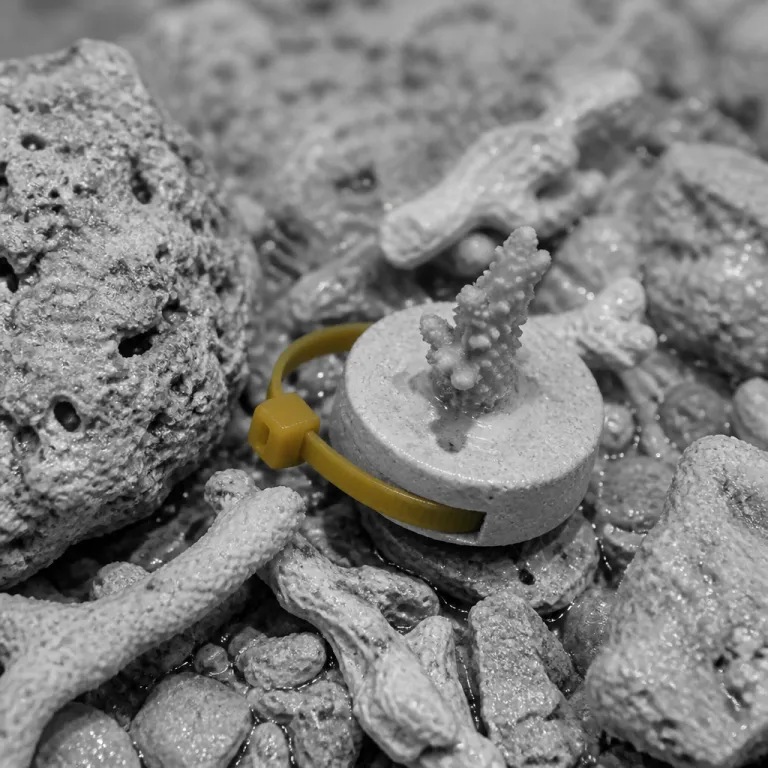
On a typical restoration dive, you will see small to medium coral colonies attached to the reef with epoxy, often arranged in careful rows or clusters. These corals have been grown in marine nurseries run by partners such as Mote Marine Laboratory and The Florida Aquarium, which have transferred more than 40,000 juvenile corals to restoration teams working across the Keys reef tract since 2019 according to NOAA program summaries. Over time, these transplanted coral species fuse with the existing coral reef structure, attracting more fish and marine life, but the visual effect is closer to a carefully planted garden than a wild jungle.
NOAA summarizes the effort clearly for visiting divers and hotel partners alike through resources such as “What is Mission: Iconic Reefs?”, “Why are Florida Keys reefs declining?” and “How can I help with reef restoration?”. Guides at key restoration sites explain that the answers lie in hurricanes, bleaching, disease and human impact, and that the response is large scale coral restoration backed by a serious conservation program. For travelers, the luxury lies in context as much as comfort, especially when a concierge arranges a private briefing with a restoration foundation expert before you head offshore from Key West International Airport’s newly upgraded terminal, described in detail in this Key West airport guide.
Which restored reefs you can actually dive: depth, access and hotel pairing
Not every site within Mission: Iconic Reefs is equally accessible to recreational divers. Some florida keys reef restoration diving sites sit in shallow water ideal for snorkelers and first time divers, while others require advanced certifications and careful planning. Choosing the right base hotel along the Florida Keys is the first step to matching your comfort level with the right reef.
Key Largo works best for guests who want easy access to state park shallows and relaxed key dives with strong conservation briefings. Islamorada, often explored through curated fishing lodge style stays, positions you closer to mid chain reefs and operators who blend offshore fishing with reef conservation storytelling, as highlighted in this Islamorada fishing lodge experience guide. Farther south, Marathon and the Lower Keys offer access to deeper reefs such as Sombrero Reef and Looe Key, where some of the most ambitious coral restoration work is underway at typical depths of 30 to 60 feet, often best suited to divers comfortable at depths beyond 18 metres.
Concierges at high end properties now maintain updated lists of which national marine sanctuary zones are open for guided dives, which require special permits and how weather affects visibility across the southeast Florida reef tract. They coordinate with NOAA, the Coral Restoration Foundation and local operators to ensure that reef conservation rules are respected while guests still enjoy tailored marine life encounters. When you book, ask specifically which restored reefs in the Keys are on the itinerary, what species of corals you are likely to see and how your visit supports long term environmental protection and reef state resilience.
Diving responsibly near restoration zones from a luxury base
Staying in a luxury hotel does not exempt you from reef etiquette; if anything, it raises the bar. Florida Keys restoration zones are living laboratories where every misplaced fin kick can damage years of coral restoration work. The best properties treat this as part of the experience, not a lecture, weaving conservation into pre dive briefings and in room information.
Responsible diving starts with perfect buoyancy control, strict no touch protocols and disciplined use of mooring buoys instead of anchors on the coral reef. Guides explain why gloves are banned in many national marine sanctuary zones, how department environmental rules from agencies such as the Florida Department of Environmental Protection protect fragile coral reefs and why even reef safe sunscreen matters for marine life health. Many operators now run conservation program themed dives where guests practice hovering above restoration plots, observe fish species returning to the reefs and learn how protection Florida policies shape what they see underwater.
On the surface, thoughtful hotels support reef conservation by funding coral nurseries, hosting talks by NOAA scientists and offering donation matching to the Coral Restoration Foundation and other partners. Some arrange private dinners with marine biologists where guests can ask detailed questions about Key Largo projects, Keys national sanctuary management and the broader southeast reef state strategy. When you choose a property that treats florida keys reef restoration diving sites as a core part of its identity, your stay becomes more than a holiday; it becomes a small but meaningful contribution to the future of these islands and their surrounding marine sanctuary waters.
FAQ
What is Mission: Iconic Reefs and why does it matter for divers?
Mission: Iconic Reefs is a NOAA led initiative to restore seven major coral reef sites in the Florida Keys National Marine Sanctuary. For divers, it means that several florida keys reef restoration diving sites now showcase active coral restoration work, with new corals being outplanted to rebuild reef structure and marine life habitat. Booking dives through operators aligned with this conservation program ensures your visit supports long term reef conservation and environmental protection goals.
Why are Florida Keys reefs declining and how is restoration helping?
Florida Keys coral reefs have suffered severe losses due to hurricanes, coral bleaching, disease and direct human impact such as pollution and careless anchoring. Restoration efforts combine coral nurseries, outplanting, algae removal and ongoing monitoring to help corals recover and improve reef resilience. When you visit florida keys reef restoration diving sites, you see how these methods are applied in real time, with young coral colonies gradually attracting more fish species and marine life back to the reef.
Which restored reefs are suitable for beginner divers or snorkelers?
Shallow areas near Key Largo, especially around John Pennekamp Coral Reef State Park and adjacent national marine sanctuary zones, are well suited to beginners. These florida keys reef restoration diving sites offer relatively easy conditions, clear navigation and strong guide support from operators used to first time divers and snorkelers. Luxury hotels in Key Largo and nearby islands often coordinate gentle reef state excursions that focus on education and relaxed marine life viewing rather than challenging dives.
How can I support reef conservation during a luxury stay in the Florida Keys?
You can choose hotels and dive operators that partner with NOAA, the Coral Restoration Foundation, Mote Marine Laboratory and similar organizations. Ask concierges to book florida keys reef restoration diving sites that include conservation briefings, use mooring buoys and follow strict no touch protocols on the coral reef. Simple actions such as wearing reef safe sunscreen, respecting marine sanctuary rules and donating to a restoration foundation help protect coral reefs and the wider marine life ecosystem.
Do I need special training to dive near restoration plots?
Most florida keys reef restoration diving sites are accessible to certified recreational divers, but excellent buoyancy control is essential. Some operators offer specialty courses focused on coral restoration and reef conservation, which can be arranged through high end hotels that prioritize marine life experiences. If you are unsure, discuss your experience level with the dive center and your concierge so they can match you with appropriate reefs, depths and guide ratios.