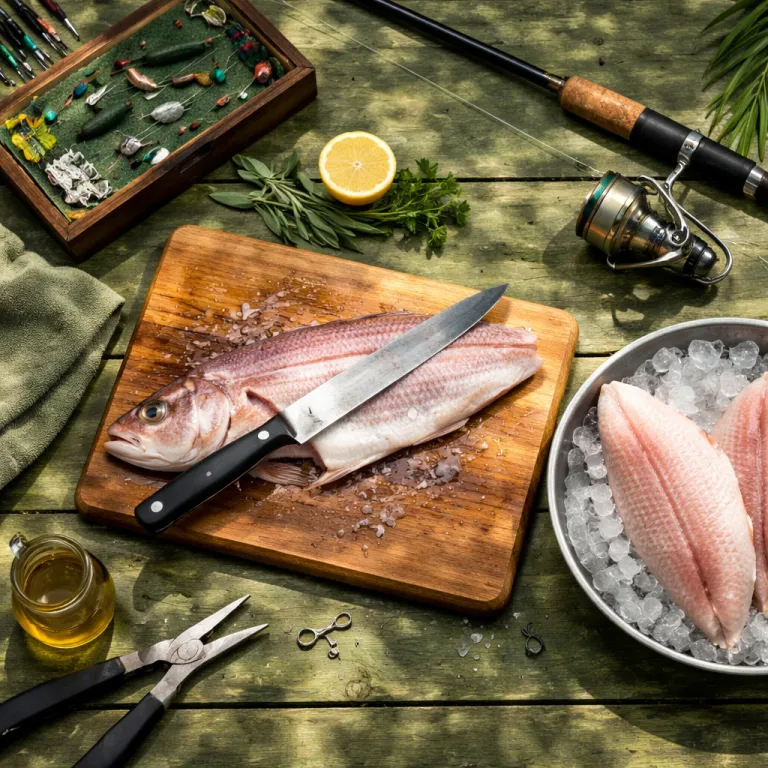
Why the Islamorada fishing lodge experience defines luxury in the Florida Keys
Islamorada sits at the quiet heart of the Florida Keys, where a classic fishing lodge stay still revolves around the dock rather than the lobby. Here, luxury is measured in how close you sleep to the water and how quickly a captain can have you casting at rolling tarpon at first light. For people used to standard resort stays, the rhythm of a full day on the water followed by a slow evening at the cleaning table feels like a different kind of hospitality.
The village stretches across four main islands, each with its own Keys fishing culture and its own style of fishing adventure. On one side you face the Atlantic for offshore runs and sailfish, while on the other Florida Bay and the backcountry lead you toward Everglades National Park waters and the national park shallows. That duality is what makes an Islamorada fishing lodge experience unique, because you can chase sailfish offshore in the morning and snook and redfish in the mangroves by late afternoon.
At the top end of the market, places like Cheeca Lodge & Spa and Bud N' Mary's Fishing Lodge have refined this fishing experience into something quietly polished. Cheeca pairs a full-service resort with on-site fishing charters and tournaments such as the Cheeca Lodge Presidential Sailfish Tournament, while Bud N' Mary's keeps the focus on the captain, the boats and the tide charts pinned beside the coffee pot. Both attract people who book not just a room but a fishing Islamorada routine, where every day’s fishing plan is shaped around the wind, the moon and the captain you trust.
Backcountry flats versus bluewater charters: choosing your kind of day
When you book charter time in Islamorada, you are really choosing between two very different kinds of day. Backcountry and flats trips slide across the slick calm of Florida Bay and into Everglades National Park shallows, where a good fishing guide hunts for tailing bonefish, rolling tarpon and snook and redfish along the mangrove edges. Offshore charters push through the cut into deeper waters, chasing dolphin fish, sailfish and wahoo along color changes and weed lines.
A typical full-day backcountry fishing adventure might start with fly fishing for bonefish on ankle-deep flats, then shift to sight casting at tarpon laid up in channels as the sun climbs. Your captain reads the tides like a book, using years of experience on these Keys fishing grounds to decide when to slide into a hidden creek or drift a bank for redfish. For many people, that quiet, technical fishing experience is the essence of an Islamorada fishing lodge stay, because it rewards patience, precision and a certain passion-for-fishing mindset.
Bluewater trips feel different from the moment you step aboard, with heavier rods, outriggers and a cockpit set up for serious Islamorada fishing. On a full day offshore, a seasoned captain might start with trolling for sailfish, then switch to live baiting over wrecks once the sun is high and the current is right. Typical charter rates range from around $700–$900 for a half day to $1,200–$1,800 for a full day, depending on boat size and target species. If you are traveling with family, you can also book shorter day-fishing charters that focus on steady action and easier fish, then pair that with a refined stay in an elegant family hotel in Key West before or after your trip through the Keys.
The captain relationship: guides, charters and the art of a well run trip
In Islamorada, the real luxury is not the thread count, it is the captain standing at the helm at dawn. A strong Islamorada fishing lodge experience depends on the relationship between guest and fishing guide, because that guide translates weather, tides and migration patterns into a memorable fishing adventure. With many fishing charters operating in the area, choosing the right captain is as important as choosing the right room category.
Look for a captain with many years of experience on these specific waters, not just a generic Florida Keys résumé. A good fishing guide will ask what kind of fishing experience you want from the day, whether that is technical fly fishing for tarpon on the flats or relaxed day fishing for mixed species around the bridges. They will also be clear about what a full day versus a half day means in practice, how far offshore they plan to run and how they adapt if conditions change.
Names matter here, and repeat guests often book charter time with the same captain season after season, sometimes following them between lodges as careers evolve. You will hear people at Bud N' Mary's talk about specific skippers the way others talk about sommeliers, and some lodges highlight signature guides in their marketing rather than room types. Well-known Islamorada captains often log hundreds of charter days per year and track catch rates by season, sharing that knowledge with returning guests. When you step off a cruise ship and head up to an elegant Key West pier hotel, you feel the same emphasis on personalities, but in Islamorada the captain is the one who makes or breaks your trip.
Inside the lodge: amenities that matter when your life revolves around the dock
Luxury in an Islamorada fishing lodge experience is built around function, not flash. The best properties understand that people come here to fish first, so they design every detail around the rhythm of a full day on the water. That means rod storage built into the rooms, easy access to cleaning stations and a dock close enough that you can hear the engines warming while you finish your coffee.
At Bud N' Mary's Fishing Lodge, the rooms sit almost on top of the marina, so you can watch the fishing charters return and see what fish hit the dock before you plan your next day. Cheeca Lodge & Spa, by contrast, spreads out along a manicured shoreline, pairing its fishing Islamorada program with a spa, golf and polished dining for non-fishing partners. Both approaches work, but the common thread is proximity to the water and a staff that understands why a guest might ask for an early breakfast and a late housekeeping visit after a long day fishing.
Modern lodges also lean into technology, using advanced fish-finding equipment on their boats while keeping the on-shore experience intentionally analog. You will see captains scrolling through tide apps and satellite charts on their phones, then later that evening guests will scroll through Instagram to share a tarpon release or a snook or redfish photo from the same trip. For many solo travelers, that blend of state-of-the-art gear on the boat and low-key comfort back at the lodge is exactly what they want from a Florida Keys fishing experience. A simple gallery wall with framed photos of past tournaments or a marina sign reading “Sportfishing Capital of the World” can say more than any lobby chandelier.
Beyond the boat: seasons, non fishing partners and wider Keys journeys
Islamorada rewards people who time their trip to the seasons, because fish move and so does the feel of the islands. Peak months bring dense schools of tarpon and more intense fishing-adventure energy around the docks, while quieter periods suit those who want space on the flats and more relaxed evenings. As local operators often explain, “December to May offers optimal conditions,” with shoulder seasons offering a mix of species and slightly calmer travel patterns.
For non-fishing partners, a well-chosen Islamorada fishing lodge experience offers as much on land as it does on the water. Cheeca Lodge & Spa layers in pools, a spa and calm beachfront areas, while smaller waterfront inns lean into hammocks, paddleboards and easy access to nearby restaurants. Many guests pair a few full-day charters with slower days exploring art galleries, kayaking into the national park backcountry or driving up the Keys to stay on more secluded islands, using guides such as this one on serene island stays between wilderness and understated luxury.
Islamorada also works well as part of a longer Florida Keys itinerary that might start in Miami, swing through Key Largo, then end in Key West for a final night in town. Along the way, you can book charter days with different captains, sample both offshore and backcountry styles and compare how each lodge handles the small but crucial details. By the time you leave, you will understand why so many people read about the sportfishing capital, arrive for one carefully planned fishing experience and then quietly start planning the next trip before they have even rinsed the salt from their gear.
FAQ about the Islamorada fishing lodge experience
What types of fish can I catch during an Islamorada fishing lodge stay ?
Across a typical Islamorada fishing lodge experience, you can target tarpon, bonefish, snook, redfish, snapper and offshore species such as sailfish and dolphin fish. Backcountry trips focus more on snook and redfish, bonefish and seasonal tarpon in Florida Bay and Everglades National Park shallows. Offshore charters concentrate on pelagic fish along the Atlantic side of the Keys.
Do I need a fishing license if I book charter trips ?
When you book charter outings with established fishing charters in Islamorada, the captain almost always provides the necessary Florida fishing licenses for people on board. The Florida Fish and Wildlife Conservation Commission (FWC) notes that most for-hire operations cover licensing for their guests, but you should always confirm details when reserving. If you plan to fish on your own from shore or a rented skiff, you should arrange the appropriate recreational license in advance.
When is the best time of year for an Islamorada fishing adventure ?
Islamorada offers productive fishing year round, but conditions and target species change with the seasons. Many anglers aim for the period from late autumn through late spring, because “December to May offers optimal conditions.” Peak tarpon migration typically runs from about April through June, while bonefish and permit see strong action in the warmer months. Summer and early autumn can still deliver excellent fishing-experience days, especially early and late in the day, but you should watch weather forecasts closely.
How far in advance should I book a fishing lodge and guide in Islamorada ?
For peak periods and prime moon phases, it is wise to book your preferred lodge and fishing guide several months ahead. High-demand captains with many years of experience on these waters often fill their full-day calendars quickly, especially for tarpon season. If your dates are flexible, you may find last-minute options, but serious anglers usually secure their Islamorada fishing plans early.
What should I pack for a full day on the water in the Florida Keys ?
For any full day or half day fishing Islamorada charter, bring sun protection, polarized sunglasses, a hat and light technical clothing that dries quickly. Most captains supply all rods, reels, bait and tackle, but you can bring your own fly fishing gear if you prefer. Many lodges also recommend soft-soled shoes for the boat, a waterproof bag for electronics and a phone ready for those inevitable Instagram-worthy tarpon shots. If you plan to keep fish for dinner, a small cooler for transporting fillets back to your room or an on-site restaurant can also be useful.