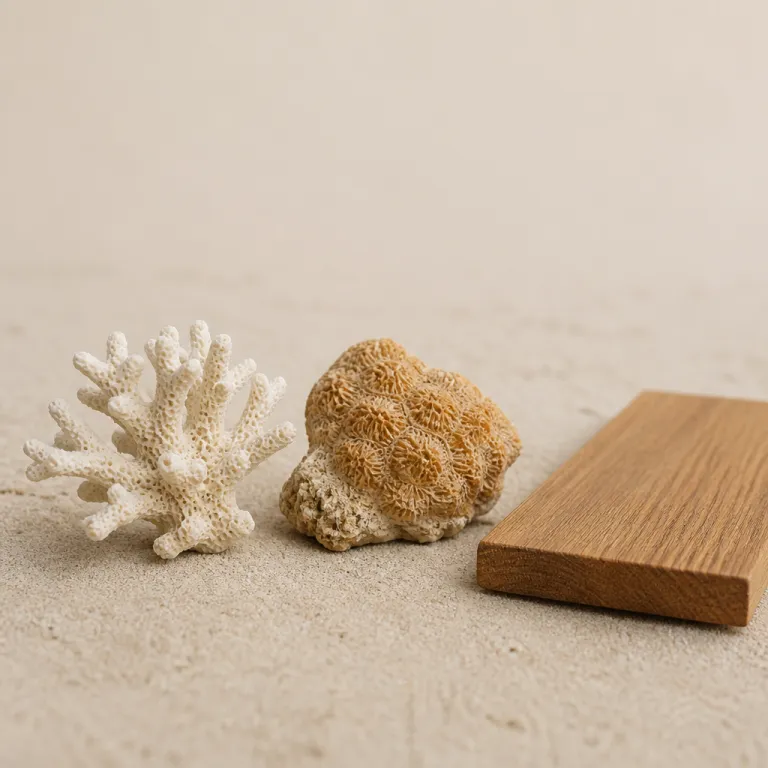
Why coral health now drives luxury hotel strategy in the Florida Keys
In the Florida Keys, coral health has moved from background concern to boardroom agenda. Hotel owners now track how nearby reefs influence bookings with the same attention they once reserved for occupancy forecasts and average daily rate. When you book a suite in Key West or Key Largo today, you are also buying into a position on conservation and the future of the only living barrier reef in the continental United States.
The chain of Keys stretches like a low limestone necklace between mainland Florida and the open sea, and every large or small property along it now feels the pressure of climate change and rising sea level. Declining coral reefs have already reshaped guest activities, from snorkeling off shallow patch reefs to deep water diving on outer reef tracts, and that shift is measurable in business terms. As one environmental impact assessment prepared for Monroe County tourism officials put it plainly, “Declining coral health reduces tourist interest, leading to fewer bookings” (Monroe County Tourist Development Council, Environmental Impact Assessment, 2018).
For luxury hoteliers, the condition of the Florida Keys reef tract is no longer an abstract line in a sustainability report. Coral cover loss across many sites has translated into softer demand for rooms marketed around reef activities, especially in the Middle Keys where some habitat has been heavily stressed. That is why you now see general managers talking about reef conservation, water conservation and wildlife protection in the same breath as spa menus and meeting space, because protecting Florida’s coral reef is directly tied to long term revenue resilience and brand reputation.
From reef decline to revenue risk: how occupancy follows the reef
Walk the waterfront in Key West at sunset and you will hear captains talk about coral as bluntly as revenue managers talk about RevPAR. When nearby coral reefs bleach or decline, high end hotels see fewer guests booking dive packages, fewer families asking about sea turtle encounters and more questions about alternative activities away from the water. The impact on Florida Keys resorts shows up first in guest reviews that quietly shift from “incredible reef” to “nice pool, but snorkeling was disappointing.”
Data from the Florida Fish and Wildlife Conservation Commission and local tourism boards link healthy coral reef systems to higher guest satisfaction scores and stronger repeat business. When coral restoration projects improve a local reef, the surrounding hotels often report better performance on premium room categories tied to water activities, because guests are willing to pay more for direct access to thriving reefs. That is why properties now invest in eco friendly operations and long term restoration partnerships as a form of risk management, not just as a gesture toward nature.
For travelers, this means your choice of hotel can either support or undermine habitat restoration and conservation work in the Keys. A property that funds coral nurseries or water quality projects is actively working to protect the sea, the reefs and the wildlife that make your trip memorable. If you are planning a romantic stay and comparing refined resorts, curated honeymoon guides for the Keys increasingly highlight hotels where reef friendly practices are part of the experience, not an afterthought.
Where hotels and scientists meet: coral restoration as core hospitality strategy
The most forward looking properties in the Florida Keys now treat coral restoration as a core part of their brand, not a side project. On Key Largo, for example, luxury resorts partner with organizations focused on reef recovery to offer guided snorkeling at restored sites, turning conservation work into a premium guest activity. In the Middle Keys, high end retreats quietly fund habitat restoration near offshore reefs while marketing private charters that visit those same coral gardens.
One of the most influential players is Mote Marine Laboratory’s Elizabeth Moore International Center for Coral Reef Research and Restoration on Summerland Key. This center operates large land based coral nurseries where thousands of coral fragments grow before being outplanted onto damaged reefs, and its LEED Gold certified design has become a reference point for eco friendly infrastructure in the region. Hotels that support Mote Marine’s coral restoration programs can credibly talk about resilience, climate change adaptation and protecting Florida’s marine habitat in ways that resonate with discerning guests.
Several luxury properties now build packages around hands on reef conservation, inviting guests to learn how coral reefs are restored and why sea turtles, reef fish and other wildlife depend on this habitat. A front office manager at a Lower Keys resort described a recent group that spent the morning helping clean coral nursery trees and the afternoon snorkeling over the same genotypes on a nearby reef: “They checked out saying it was the most meaningful day they’d ever had on the water.” In depth guides to the future of Keys diving explain how restored coral reef sites can outperform degraded areas for both biodiversity and guest experience, while also noting that large scale restoration remains expensive, labor intensive and vulnerable to future heat waves.
Mission Iconic Reefs and the new map of luxury in the keys
NOAA’s Mission: Iconic Reefs program has quietly redrawn the mental map that serious divers and high end hoteliers use for the Florida Keys. This large scale initiative focuses on seven ecologically significant coral reefs, including sites near Key Largo, the Middle Keys and Key West, where restoration work aims to rebuild coral cover and habitat complexity. For hotels, proximity to these reefs is becoming as valuable as a prime sunset view or a private beach.
Properties near restored or actively managed coral reefs can design richer activities, from guided snorkeling over recovering coral gardens to photography trips that highlight sea turtle behavior and reef fish diversity. Guests who care about conservation often choose these hotels because they want their stay to contribute to reef protection and wildlife conservation, not just to their own relaxation. The influence of reef recovery is especially strong around places like Pickles Reef, Horseshoe Reef and Sombrero Reef, where restoration has begun to change both underwater scenery and guest expectations.
Mission: Iconic Reefs also influences how investors evaluate new developments along the Keys, because resilience now includes both physical protection from the sea and economic protection through healthy reefs. As sea level rise and climate change reshape risk models from South Florida to the broader U.S. coastline, hotels that align with reef conservation and water conservation strategies can argue for better long term value. For travelers, choosing a property that supports these iconic reefs is a way to align your spending with the future of the Florida Keys rather than its past.
Case studies: how specific hotels turn conservation into guest value
Some Florida Keys properties have moved beyond slogans and built detailed conservation programs that directly shape the guest experience. Playa Largo Resort and Spa in Key Largo, for example, partners with Coral Restoration Foundation to offer reef safe diving and snorkeling, with guides explaining how each coral fragment on the reef represents years of conservation work. Guests return from the water talking about coral resilience and habitat restoration, not just about the color of the sea.
Little Palm Island Resort and Spa in the Lower Keys has tied its luxury positioning to a program that channels significant donations per booking to Mote Marine’s coral restoration efforts. That approach turns each stay into a small but concrete contribution to protecting Florida’s coral reefs, while giving guests access to curated activities that highlight local nature, from sea turtle conservation briefings to low impact boating in clear shallow water. In Key West, Ocean Key Resort and Spa collaborates with Reef Relief to install reef safe sunscreen stations and educate guests about water conservation and reef friendly behavior before they even step onto a boat.
These examples show how the conservation efforts of Florida Keys hotels can be both large and intimate at the same time. A single eco friendly sunscreen station on a busy pier may protect countless coral polyps over a season, while a well designed conservation package can fund research that benefits reefs across South Florida. For you as a traveler, choosing these hotels means your room rate quietly supports coral reefs, sea turtles and the broader wildlife conservation network that keeps the Keys’ marine habitat alive.
What discerning travelers should look for when booking in the florida keys
When you scan booking engines for a suite in the Florida Keys, look beyond the pool photos and sunset shots. A hotel’s real contribution to reef protection should be visible in how a property talks about coral conservation, water conservation and climate resilience on its website and in its pre arrival communication. If a hotel is serious, you will see clear references to partnerships with organizations such as Mote Marine, Coral Restoration Foundation or Reef Relief, not vague mentions of “green initiatives.”
Ask direct questions before you commit, especially if reef access is central to your trip. Does the hotel support any coral restoration or habitat restoration projects, and can they name the specific reef sites or nurseries involved in their conservation work? Are guided activities designed to minimize impact on coral reefs and sea turtles, for example by limiting group size, avoiding sensitive coral spawning periods and enforcing reef safe sunscreen rules in the water?
For business leisure travelers extending a work trip, the most rewarding stays often combine high service standards with meaningful engagement in local nature. A property that can arrange a morning meeting in a quiet sea facing boardroom, followed by an afternoon visit to a coral reef restoration center, offers more than just another ocean view. In a market where both large resorts and small independent hotels compete for your attention, those that embed resilience, eco friendly practices and protection of Florida’s marine habitat into daily operations will deliver the richest return on your travel investment.
Key figures shaping coral, hotels and conservation in the florida keys
- NOAA and partner agencies report that some Florida coral reef areas have lost around 90% of live coral cover since the 1970s (for example, see NOAA Coral Reef Conservation Program summaries), a decline that directly reduces the appeal of nearby reefs for snorkeling and diving guests.
- Tourism revenue linked to coral reefs in Florida has been estimated at roughly 8.5 billion USD per year in studies of reef related spending (for instance, analyses by NOAA and the Florida Department of Environmental Protection), underscoring how strongly hotel performance depends on healthy marine habitat and resilient reefs.
- Mission: Iconic Reefs focuses on seven large, ecologically significant reef sites in the Florida Keys, creating new focal points where hotels can align guest activities with long term reef conservation goals.
- Mote Marine Laboratory’s Elizabeth Moore center on Summerland Key operates land based coral nurseries that grow thousands of coral fragments annually, supplying restoration projects that benefit hotels from Key Largo to Key West.
- Environmental impact assessments and tourist surveys in the Keys show that when coral health declines, interest in reef based activities falls and hotel bookings soften, while visible conservation work helps sustain demand.
FAQ: coral health, hotels and your stay in the florida keys
How does coral health affect hotel bookings in the florida keys ?
Coral health shapes the quality of snorkeling, diving and wildlife watching that many guests expect when they book in the Florida Keys. When nearby coral reefs bleach or degrade, travelers often rate their stay lower and are less likely to return, which reduces bookings for hotels that rely on reef based activities. As one assessment notes, “Declining coral health reduces tourist interest, leading to fewer bookings” (Monroe County Tourist Development Council, Environmental Impact Assessment, 2018).
What are hotels in the keys doing to protect coral reefs ?
Many luxury and premium properties now support coral restoration, reef conservation and water conservation programs through direct funding, guest packages and staff training. Partnerships with organizations such as Mote Marine, Coral Restoration Foundation and Reef Relief help hotels back habitat restoration, install reef safe sunscreen stations and design low impact activities on the water. These efforts turn conservation work into a visible part of the guest experience rather than a hidden line item.
Can tourists staying at high end hotels help with coral conservation ?
Guests can contribute by choosing hotels that invest in eco friendly operations and verified conservation initiatives, then participating in reef safe activities during their stay. Simple choices such as using reef safe sunscreen, respecting no touch rules on coral reefs and joining guided trips that support local conservation work all reduce pressure on fragile habitats. Many hotels also offer donation matching or educational experiences that channel part of your room rate toward coral restoration and wildlife conservation.
Why is water conservation important for hotels near coral reefs ?
Freshwater use and wastewater management directly influence the health of nearby coral reef ecosystems, especially in low lying islands like the Florida Keys. Hotels that prioritize water conservation reduce strain on local infrastructure and limit nutrient runoff that can harm coral and seagrass habitats. Efficient systems, from low flow fixtures to advanced treatment plants, support both business resilience and the long term health of the surrounding sea.
How should I evaluate a hotel’s environmental claims when booking in the keys ?
Look for specific, verifiable information about conservation partners, named reef sites and measurable goals rather than generic sustainability language. A credible property will explain how it supports coral restoration, sea turtle protection or habitat restoration, and may share updates on conservation work in pre arrival materials or on site briefings. When in doubt, ask the hotel to describe its role in protecting Florida’s coral reefs and how guests can participate during their stay.