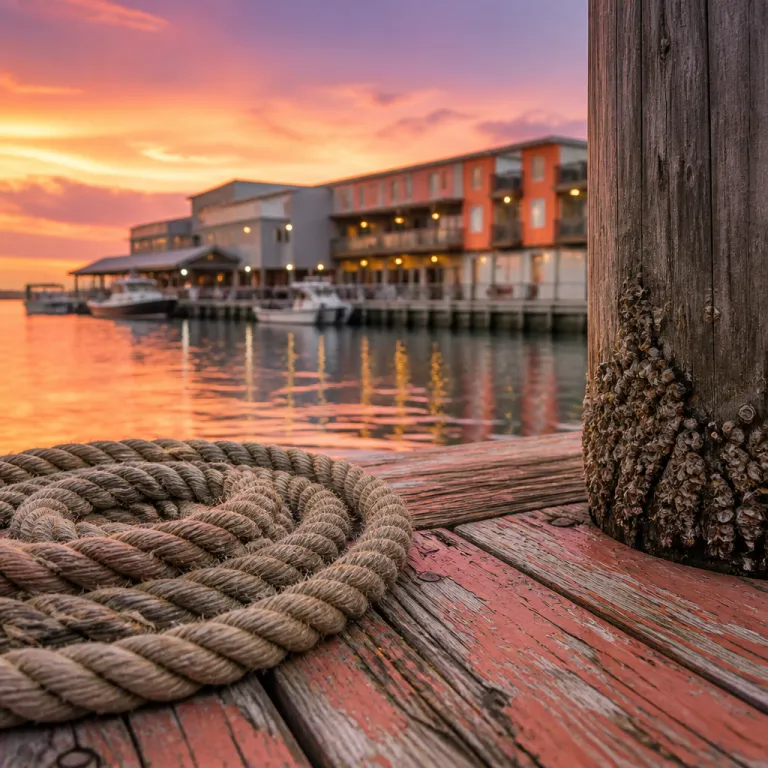
Stock Island’s shift from shrimp docks to design led stays
Stock Island sits just 6 kilometers east of Key West, close enough for a quick ride yet far enough to feel like its own island world. What was once a landscape of shrimp boats, boatyards, and welding sheds now hosts a compact cluster of waterfront hotels where design and marina life are inseparable. The story of this transformation explains why many guests now choose to stay here rather than in a traditional hotel downtown near Duval Street.
The recent redevelopment began when developer Pritam Singh, long active in the Keys hospitality scene, argued that the declining maritime industry needed a new economic engine and pushed for a waterfront plan that still respected the working docks. Over roughly eleven years, investment widely reported at around 400 million USD reshaped the west side of the island into a string of resort marina projects, adding an estimated 275 guest rooms and suites while trying to keep the shrimp fleet and charter captains in place. Local planning files and Monroe County staff reports describe this as a phased build out rather than a single project, which helps explain why the island’s character has shifted gradually instead of overnight.
Walk the docks at sunrise and you still hear diesel engines turning over while a hotel key card clicks open a room above the same marina. This coexistence means that many properties borrow their design vocabulary from industrial details, nautical lighting, and weathered wood instead of polished marble. For travelers comparing places to stay across the Florida Keys, Stock Island now offers a rare mix of resort comfort, active marina life, and a waterfront that still smells faintly of bait and diesel rather than only sunscreen and spa oils.
The Perry Hotel model: maritime grit meets refined design
The Perry Hotel became the prototype for how Stock Island accommodations could lean into the working waterfront instead of hiding it. Opened beside a busy resort marina, it framed shrimp boats and liveaboards as part of the view, not visual noise to be screened off. That decision set a tone for later hotels in the area, proving that guests would pay premium rates for authenticity when the design is thoughtful.
Inside, reclaimed wood, exposed steel, and nautical hardware echo the island boatyards while polished concrete floors and tailored suites keep the experience firmly in the luxury category. EOS Hospitality now manages the property, and under its stewardship the spa, outdoor pool decks, and marina facing restaurants have been refined without sanding away the industrial edges that define this Key West fringe enclave. As one EOS representative summarized in a recent local tourism roundtable, “If you erase the working boats, you erase the reason many guests choose Stock Island over a more generic resort.”
Key International’s investment signaled that serious capital believed in this hybrid of resort and working port, and the ripple effect is visible in how new properties treat their marina frontage as a stage. Instead of a single central pool, you often find multiple outdoor courtyards stepping down toward the water, each one oriented to the slips and the charter fleet. If you are planning a design focused Key West trip, it is worth reading detailed guest reviews that mention how much of the marina life you see and hear from your room, then using each hotel website’s availability tools to time your stay for quieter or livelier periods depending on your taste.
For readers comparing high end properties across the islands, this refined guide to premium beachfront hotels in the Florida Keys is a useful complement to Stock Island’s more industrial chic narrative. It helps frame when a guest should choose a softer, sand focused beach resort and when the marina forward character of Stock Island is the better fit. Together, they map the spectrum of luxury stays available along the Keys.
Hilton’s arrival: brand standards on a salty edge
The conversion of Ocean’s Edge into the Hilton Key West Resort & Marina marks a new chapter in the island’s design forward waterfront evolution. A global brand stepping into a former independent property always raises the question of how much local character will survive. Here, the promise is six saltwater pools, a marina forward layout, and Hilton reliability layered onto an already established waterfront site.
For many guests, the Hilton name offers a clear shorthand for service expectations, loyalty points, and consistent room quality, especially when they compare options across multiple resorts in the region. The challenge is whether Hilton Key West Resort & Marina can keep the slightly rough edged island personality that made the original property appealing to travelers who liked watching charter crews clean the day’s catch below their balcony. When you compare room categories, look closely at descriptions and photos to see how much of the marina, the pool, and the working docks you will actually see from your chosen vantage point.
Brand standards typically mean upgraded bedding, more structured spa offerings, and a refined wellness program, which will appeal to travelers who might otherwise choose a classic property like Casa Marina in Key West proper. Yet the site’s layout, with its resort marina and multiple outdoor pool terraces stepping toward the water, still reflects Stock Island’s DNA more than a conventional downtown footprint. If you want a comparison with a quieter, residential style escape elsewhere in the Keys, this guide to elegant beach rentals in Key Colony shows how different the mood can be when the waterfront is about private decks rather than charter slips.
As more guests leave reviews of Hilton Key West Resort & Marina, pay attention to comments about noise from the marina, the feel of the public spaces, and how the design balances Hilton polish with island grit. Those details will tell you whether this new resort leans closer to a conventional branded property or remains firmly rooted in Stock Island’s working waterfront story. Either way, its arrival cements the island as a serious player in the Florida Keys luxury conversation.
Indoor outdoor architecture in a climate of salt and storms
Architecture in the Florida Keys has always been about blurring the line between inside and outside, and Stock Island’s hotels are no exception. Covered walkways, deep verandas, and open air lounges allow guests to move between rooms, pool, and marina without ever feeling fully indoors. This indoor outdoor philosophy is not just aesthetic; it is a response to humidity, hurricanes, and relentless salt air.
Designers working on the island’s waterfront know that every material choice must withstand corrosion, sun, and storm surge, which is why you see so much fiber cement siding, metal roofing, and elevated structures. The best properties in this area use hurricane rated glass, reinforced concrete, and raised mechanical systems while still delivering a sense of ease that feels appropriate for a resort environment. When you walk through these hotels, notice how louvered screens, shade trellises, and landscape buffers create microclimates between the beach, the marina, and the guest wings.
Indoor spaces often open directly to terraces that overlook the resort marina, so a guest can step from an air conditioned room to a breezy balcony in two strides. Many Stock Island waterfront projects place restaurants and bars at the water’s edge, reserving upper floors for rooms and suites that capture both sunrise and sunset angles over the Keys. If you are sensitive to heat, use each hotel’s website to check availability for rooms on higher floors, where breezes are stronger and noise from the pool or marina tends to be softer.
For travelers who want to understand how this climate shapes experiences beyond hotels, our in depth feature on visiting Marathon’s marine turtle hospital shows how conservation facilities also adapt to salt, storms, and sun. The same environmental realities that drive hotel architecture influence marine science labs, marinas, and even roadside seafood shacks. Knowing this context helps you read the built environment of the Keys with a more informed eye.
Working waterfront versus resort polish: what you actually feel on stay
Stock Island remains, at its core, a working waterfront, and that reality shapes every hotel stay here. Shrimp boats still tie up a few meters from resort marina slips, and artists’ studios occupy former industrial sheds just behind some properties. This mix means that a guest walking from room to pool might pass welders, fishermen, and gallery owners in the same five minute stroll.
Local officials and residents continue to debate Monroe County zoning rules that govern how much of the waterfront can shift from commercial use to resort development. Those discussions matter because they determine whether future design driven projects will replace or coexist with the remaining boatyards and fish houses. One long time resident quoted in a county workshop summed up the tension: “We want visitors, but we also want our kids to see real boats, not just resort marinas.” When you read reviews, look for comments about noise, working boat traffic, and the general feel of the surrounding streets, as these details reveal how close your chosen hotel sits to the island’s industrial heart.
For some guests, the clank of rigging and the smell of diesel at dawn are part of the charm, a reminder that this is not a sanitized resort bubble. Others may prefer a quieter setting closer to a manicured private beach, which you are more likely to find at a traditional beach resort elsewhere in the Florida Keys. Before you check availability, decide whether you want to wake to gulls and engines or to the softer soundtrack of waves and palm fronds, then choose between Stock Island stays and options nearer Duval Street or Casa Marina accordingly.
One practical tip for solo travelers: use satellite maps to see how close your hotel is to active marinas, boatyards, or main roads. Properties that sit slightly back from the primary waterfront often balance access to the marina with more tranquil rooms and suites. That small distance can change the entire mood of your stay without sacrificing the island’s authentic character.
Design influences: from conch houses to coastal contemporary
The design language of Stock Island’s hotels pulls from several overlapping traditions that define the Keys. Bahamian inspired conch houses contribute wraparound porches, high ceilings, and pastel palettes that soften the industrial edges of the island’s boatyards. Cuban American heritage adds tile work, arches, and a certain courtyard logic that suits both spa spaces and shaded outdoor pool lounges.
Mid century modernism appears in clean rooflines, breeze block walls, and low slung lobby buildings that sit lightly between the beach and the marina. The newest wave of coastal contemporary design layers in pale woods, matte metals, and large glass openings, creating a calm backdrop for the saturated blues and greens of the waterfront. In the best hotels, these influences are edited rather than piled on, so a guest experiences a coherent narrative rather than a theme park collage.
When you compare photos of different Stock Island waterfront properties, look for how they handle transitions between public and private zones. Some emphasize private terraces and even small pocket beaches carved between seawalls, while others lean into communal decks that hover above the resort marina. Your choice between a resort that feels social and one that feels secluded will shape how you use the island, from lingering at the pool bar to slipping out for solo walks along the docks.
For travelers who care about design, reading detailed guest reviews can be as useful as professional photography. Pay attention to comments about room layouts, natural light, and how well the interiors stand up to the realities of salt and humidity over time. Then, once you have narrowed your list of places to stay, use each site’s availability tools to align your preferred room type with the tides of pricing and seasonality that define the Florida Keys.
Key figures behind Stock Island’s hotel reinvention
- Stock Island’s population is commonly cited at around 4,722 residents, according to recent Monroe County records, which means the wave of hotel and resort development has a noticeable impact on local life and infrastructure.
- Approximately 275 new hotel rooms have been added through waterfront redevelopment projects, based on local hotel development reports and planning documents, significantly increasing the island’s capacity to host guests compared with its historic role as a primarily industrial port.
- Investment in Stock Island’s waterfront transformation is estimated at about 400 million USD, according to publicly discussed development figures from partners such as Singh Co., EOS Hospitality, and Key International, reflecting the scale of confidence placed in this emerging destination.
- The redevelopment timeline stretches over roughly eleven years, from the initial announcement of a major oceanside resort through the opening of The Perry Hotel and the ongoing evolution toward branded properties like Hilton Key West Resort & Marina.
- Popular activities on Stock Island include boating, fishing, dining, and visiting art studios, which align closely with the design of marina focused hotels that integrate docks, galleries, and seafood restaurants into the guest experience.
FAQ: planning a design focused stay on Stock Island
What is Stock Island best known for today ?
Stock Island is best known for its historic working waterfront, which now sits alongside a growing cluster of design driven hotels and resort marina complexes. Travelers experience a rare mix of shrimp boats, art studios, and polished pool decks within a compact area. This combination makes it one of the most characterful corners of the Florida Keys for a hotel stay.
How far is Stock Island from downtown Key West ?
Stock Island lies about 4 miles, or roughly 6 kilometers, east of downtown Key West. By car or rideshare, the trip to Duval Street usually takes around 10 to 15 minutes depending on traffic. This proximity allows guests to enjoy quieter waterfront hotels while still accessing Key West’s restaurants, bars, and cultural sites with ease.
Why choose Stock Island over a hotel downtown in Key West ?
Choosing Stock Island over a hotel downtown suits travelers who value marina views, a working port atmosphere, and more space around the pool and waterfront. Properties here often offer larger rooms and suites, multiple outdoor pool areas, and direct access to charter boats and water activities. Downtown hotels, by contrast, place you closer to nightlife and historic streets but usually with less breathing room and fewer resort style amenities.
What types of activities can guests enjoy near Stock Island hotels ?
Guests staying on Stock Island can book fishing charters, rent boats, visit local art studios, and dine at seafood restaurants that source directly from nearby docks. Many hotels integrate these experiences through on site marinas, concierge desks, and partnerships with local operators. This makes it easy to step from your room or pool deck straight into a day on the water or an evening exploring the island’s creative scene.
How is the local community affected by hotel development ?
The expansion of Stock Island’s hotel scene has brought new jobs, increased tourism revenue, and improved infrastructure, but it has also intensified debates about zoning and the preservation of the working waterfront. Residents and officials are weighing how much shoreline should remain dedicated to commercial fishing and boatyards versus resort projects. For visitors, understanding this context adds depth to a stay and encourages more thoughtful engagement with the island beyond the resort gates.