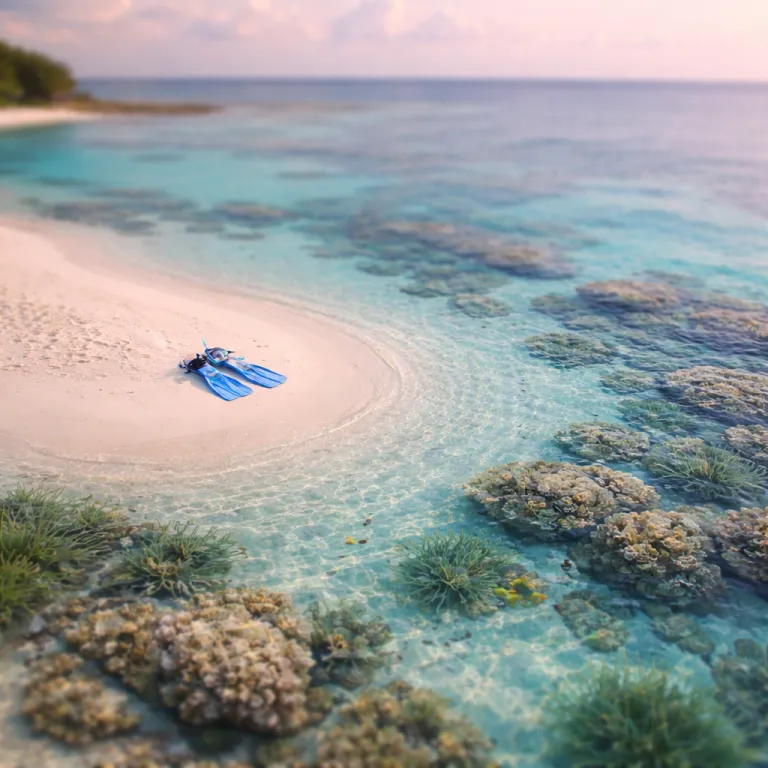
Florida Keys snorkeling with kids: a luxury‑minded family guide
Florida Keys snorkeling guide for luxury‑minded families
The only living coral barrier reef in the continental United States runs parallel to the Florida Keys, yet many visitors only experience crowded decks and fogged masks. For a refined Florida Keys snorkeling guide that suits premium family travel, timing, logistics and operator choice matter more than the size of the breakfast buffet. When you book a luxury hotel in Key Largo, Islamorada, Marathon or Key West, you are really choosing which reef, which boat and which underwater life your children will remember.
Snorkeling in this island chain is about reading the water, not the brochure, because early light, gentle conditions and smaller groups reveal coral formations and tropical fish that mass‑market tours often miss. The best properties understand this and work with trusted partners for tailored tours, private snorkel charters and family‑friendly reef itineraries that match your children’s ages and swimming confidence. When you plan where to snorkel Florida with kids, think of each key as a different marine neighborhood, from the shallow coral reef gardens off Key Largo to the remote Dry Tortugas and the historic beaches of Key West.
Luxury‑oriented snorkelers should look for staff who talk fluently about John Pennekamp Coral Reef State Park, Looe Key and Sombrero Reef rather than just handing over a generic leaflet. Ask how long the boat ride is, how many snorkelers share the ladder and whether the captain adjusts sites based on marine life reports that morning. A thoughtful Florida Keys snorkeling guide from your hotel will also explain why some snorkeling spots suit beginners while others near Molasses Reef or the Florida Keys National Marine Sanctuary demand stronger swimmers and more careful reef etiquette.
Why the 7 am boat defines your reef experience
On a calm morning in Key Largo, the first boats often leave between 07:30 and 08:00 while the sky is still soft and the water lies almost glassy. That early departure is the quiet secret behind any serious Florida Keys snorkeling guide, because fewer fins mean less stirred‑up sand and far clearer underwater visibility. When you glide over coral formations at 08:00 with only a handful of snorkelers, the reef feels like a private marine sanctuary rather than a theme park.
Morning tours usually benefit from lighter winds and more stable conditions, which matters when you are taking children or less confident swimmers out to a coral reef. Guides can position the boat on the most sheltered mooring buoys, and you will often see sea turtles, schools of tropical fish and even shy reef sharks before the day’s traffic pushes marine life deeper. By late afternoon, the same snorkeling spots around Pennekamp Coral Reef or Molasses Reef can feel choppy, with reduced visibility and a parade of boats competing for space.
Families staying in luxury hotels should ask staff to secure the earliest possible reef departure, ideally with a small‑group operator that caps numbers well below the boat’s legal capacity. In Key Largo, John Pennekamp Coral Reef State Park, established in 1963 as the first undersea park in the United States and protecting roughly 70 square nautical miles of Atlantic Ocean (Florida Department of Environmental Protection), typically offers 2.5‑ to 3‑hour morning and afternoon tours, but the 07:30 or 08:00 slots consistently deliver the best snorkeling Florida conditions. Across the keys, from Looe Key to Sombrero Reef and out toward the Dry Tortugas, captains will tell you the same thing in different words; the reef wakes up early, and you should too.
From Pennekamp to Dry Tortugas: choosing your key and your reef
Every key in the Florida Keys offers a different snorkeling personality, and your hotel choice should mirror the reef you want to see. Key Largo, often called the diving capital of the world, is anchored by John Pennekamp Coral Reef State Park, a protected area of roughly 70 square nautical miles where boat tours visit shallow coral formations and the famous underwater Christ of the Abyss statue. Here, guided tours from the park suit first‑time snorkelers and families, while private charters arranged through upscale resorts give experienced guests longer water time and more flexible site selection.
Farther down the keys, Looe Key near Big Pine Key is a classic spur‑and‑groove coral reef with dramatic marine life, reached by boat from operators who understand the local currents and conditions. Sombrero Reef off Marathon offers a photogenic lighthouse, healthy coral and abundant fish, making it a strong choice for guests staying at central‑Keys properties who want shorter travel times. From Key West, you can snorkel directly off Fort Zachary Taylor Historic State Park or join longer tours that reach offshore reefs, while the Dry Tortugas reward those willing to commit a full day to remote national marine wilderness.
Discerning travelers should ask whether their hotel partners with operators who use mooring buoys rather than anchors, a small but crucial detail for coral reef protection. Some luxury properties near Key Largo and Islamorada maintain relationships with captains who rotate between Molasses Reef, French Reef and other snorkeling spots to avoid over‑pressuring any single coral system. When you compare options, think of John Pennekamp’s structured park tours as ideal for orientation, while private charters to Looe Key, Sombrero Reef or the Dry Tortugas excel at depth of experience and quieter water.
Guided tours, private charters and family‑first planning
For premium families, the real decision is not whether to snorkel but how curated you want the experience to feel. John Pennekamp Coral Reef State Park in Key Largo runs well‑organized boat tours with trained guides, rental snorkel gear and clear briefings, which is reassuring if your children are new to open‑water snorkeling. These park tours follow fixed schedules and visit designated sites, while private charters booked through high‑end hotels can tailor departure times, reef choices and even in‑water guides for your family alone.
When comparing options, a mass‑market catamaran may look attractive on price, yet the trade‑off is often crowded decks, rushed water time and less flexibility to adjust for changing conditions. A good operator is worth the premium because smaller groups mean the crew can help children with masks, watch for currents and point out marine life such as sea turtles or rays that casual snorkelers might miss. Many luxury‑leaning captains also carry higher‑quality snorkel equipment, flotation vests for younger guests and even prescription masks, which transforms comfort and confidence in the water.
Families should ask specific questions before booking through any Florida Keys hotel concierge, such as maximum group size, whether a guide enters the water, and how they choose snorkeling spots on a given day. Clarify if the boat visits shallow coral formations suitable for children, or deeper reef walls better suited to strong swimmers who already snorkel Florida comfortably. Remember the expert advice shared locally; “Book tours in advance. Check weather conditions. Use reef-safe sunscreen.”
Safety, conservation etiquette and where luxury meets the reef
Thoughtful luxury in the Florida Keys now means treating the reef as the main amenity, not just the view from your suite. The best hotels brief guests on snorkeling safety, from choosing well‑fitting snorkel masks to understanding how wind and tide affect surface conditions at offshore coral reef sites. When traveling with children, prioritize operators who offer flotation aids, patient in‑water guides and clear explanations of how to move calmly through the water without kicking fragile coral formations.
Conservation etiquette is non‑negotiable in this national marine sanctuary, where even a single careless fin kick can damage decades of coral growth. Use only reef‑safe sunscreen, avoid standing on any coral or rock that might shelter marine life, and keep a respectful distance from sea turtles, rays and larger fish. Many operators around Key Largo, Looe Key, Sombrero Reef and Key West now support reef restoration projects, and some luxury hotels highlight these partnerships alongside their spa menus, making it easy to align your stay with your values.
For travelers who balance reef time with relaxation, pairing morning snorkeling Florida excursions with an afternoon at a refined spa can work beautifully. A curated resource such as the guide to Florida Keys luxury spa resorts on stay‑in‑florida‑keys.com helps you choose properties that understand both wellness and water. As eco‑friendly snorkeling practices expand and reef restoration efforts grow, choosing operators and hotels that respect the marine environment ensures that your Florida Keys snorkeling guide is not just about where to swim, but how to leave the water as clear as you found it.
FAQ
What is the best time of day to snorkel in the Florida Keys ?
Early morning usually offers the calmest water, the best visibility and fewer boats on the reef. The first departures from places like John Pennekamp Coral Reef State Park or operators serving Looe Key and Sombrero Reef often reach the sites before crowds arrive. This timing is especially valuable for families and new snorkelers who benefit from gentler surface conditions.
What is the best time of year to snorkel in the Florida Keys ?
Snorkeling is possible year‑round in the Florida Keys thanks to warm water and a stable climate. According to the National Weather Service Key West, average sea surface temperatures typically range from the mid‑70s °F (around 24 °C) in winter to the mid‑80s °F (around 29 °C) in late summer, with the official Atlantic hurricane season running from June 1 through November 30. Calm periods with lighter winds, often found in spring and early summer, tend to deliver clearer visibility and more comfortable boat rides for children.
Do I need to bring my own snorkeling gear when staying at a hotel ?
Most tour operators and state park concessions provide basic snorkel gear, including mask, snorkel and fins, and many luxury hotels can arrange high‑quality equipment. If you have a sensitive face or wear prescription lenses, bringing your own mask can improve comfort significantly. Always confirm with your concierge or chosen operator in advance so you know exactly what is included.
Are there age restrictions for snorkeling tours in the Florida Keys ?
Age policies vary by operator, boat size and the distance to the reef, so there is no single rule across the keys. Some family‑focused tours from John Pennekamp Coral Reef State Park or nearshore Key West sites welcome young children with flotation aids, while longer offshore trips to Looe Key or the Dry Tortugas may set higher minimum ages. Always check specific requirements before booking and be honest about your child’s swimming ability.
Which Florida Keys locations are best for first‑time snorkelers ?
Shallow, protected areas with easy boat access are ideal for beginners and families. John Pennekamp Coral Reef State Park in Key Largo, selected sites at Molasses Reef and the nearshore waters of Fort Zachary Taylor Historic State Park in Key West all offer relatively gentle conditions on calm days. When in doubt, ask your hotel concierge to recommend operators who specialize in introductory tours and small groups.