Why the Turtle Hospital belongs on every luxury Keys itinerary
In a region defined by sea views, private docks, and polished service, the Turtle Hospital in Marathon, Florida adds something rarer to a luxury stay: direct contact with hands-on marine conservation. This working hospital for every local sea turtle species turns a simple tour into a quietly powerful counterpoint to poolside cocktails, especially for families balancing indulgence with meaning in the Florida Keys. When you plan time here as part of a broader Florida Keys turtle-focused itinerary, you weave conservation, comfort, and curated experiences into one thoughtful trip.
Set along the Overseas Highway at mile marker 48.5, this former motel turned marine hospital now houses operating rooms, rehab release pools, and permanent residents that cannot return to the open sea. Guests driving between Key Largo and Key West often see the low-profile building and tanks from the road, yet only a fraction step inside for a guided educational tour that explains how injured sea turtles move from rescue to recovery. For premium travelers staying in waterfront villas or high-end resorts, visiting turtle patients here reframes the surrounding marine life you admire from your balcony or fishing charter, turning the ocean from a backdrop into a living, vulnerable neighbor.
The Florida Keys chain is one of the most important feeding grounds for green sea turtles, hawksbills, and loggerheads, so every injured sea turtle treated here represents a small but tangible win for the wider ocean. When you visit, staff outline how boat strikes, entanglement, and disease affect sea turtles in these shallow Marathon seagrass beds and beyond. That context turns a family photo with turtles into an educational moment that kids remember long after the key card from your hotel stops working, and it gives adults a clearer sense of how their travel choices intersect with local marine life.
Designing a florida keys turtle hospital marathon visit guide for families
Planning your Florida Keys sea turtle hospital visit starts with timing, because tours are structured and capacity is limited. The hospital offers 90-minute guided educational sessions several times a day, and advance reservations are strongly recommended if you are visiting Marathon during school breaks or long weekends.[1] For families staying in luxury properties between Key Largo and Key West, the smartest move is to anchor one full day around this behind-the-scenes tour, then layer in relaxed meals and short drives to keep kids fresh.
Each tour begins with an indoor educational program where staff explain the five turtle species found in Florida waters and the specific threats they face. This is where kids hear how the rescue process works, from the first call about an injured sea turtle to transport, triage, and surgery in the Marathon operating suite. Adults tend to focus on the medical detail, while children usually lock onto the stories of individual sea turtles and the idea that some permanent residents will live out their lives here because their injuries are too severe for rehab release.
After the classroom segment, the guided portion moves outside to the saltwater tanks, where you meet recovering turtles and long-term residents up close. The sea air, the sound of filters, and the sight of a green sea turtle gliding through a circular pool make the earlier educational content feel immediate and real. If you are staying in a quiet, nature-focused hideaway such as the serene island retreats featured in this No Name Key Florida serene island stays guide, this visit slots naturally into a day built around wildlife, slow drives, and unhurried meals.
Practical details for your visit
- Location: 2396 Overseas Highway, Marathon, Florida (mile marker 48.5).
- Tour length: Approximately 90 minutes, including indoor presentation and outdoor tank visit.[1]
- Booking: Advance reservations are advised, especially during holidays and weekends.
- What to bring: Comfortable shoes, sun protection for outdoor areas, and water for warm days.
What actually happens inside this working marine hospital
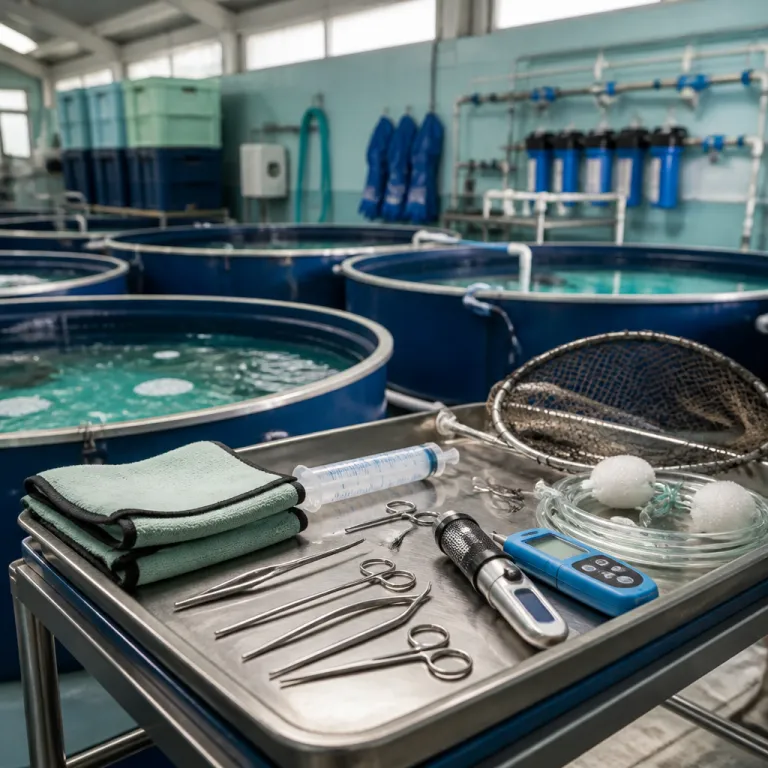
Behind the public-facing tanks, the Turtle Hospital operates as a fully licensed veterinary hospital dedicated solely to sea turtles. The guided educational tour does not turn you into a clinician, but it does offer clear sightlines into the surgery suite, X-ray room, and treatment spaces where injured sea turtles receive advanced care. You see how a former roadside motel in Marathon, Florida has been reimagined as a serious marine life facility, with saltwater pools where turtles build strength before any potential rehab release.
Staff explain how they treat fibropapillomatosis tumors, boat-strike fractures, and entanglement wounds that bring turtles in from across the Florida Keys. Some patients arrive from waters near Key Largo, others from the flats off Key West, and a few from offshore fishing grounds where lines and hooks can injure sea turtles badly. As one longtime rehabilitator notes during the presentation, “Every turtle here represents hundreds of volunteer hours and a community that refused to look away.”[2] The hospital team walks you through case studies, showing how a single injured sea turtle might require multiple surgeries, months of antibiotics, and careful monitoring before the veterinary équipe will even consider a release back into the sea.
For families used to polished resort environments, this glimpse of clinical reality adds depth to a Florida Keys turtle hospital experience built around comfort and ease. You step from air-conditioned lecture rooms to the open-air rehab pools, then back to your car and on to a waterfront villa, perhaps one of the refined properties highlighted in this slow travel Lower Keys itinerary. That contrast between spa-level amenities and the practical work of rescue and rehabilitation often sparks thoughtful conversations with kids about what marine conservation really requires.
Meeting the permanent residents and understanding their stories
One of the most affecting parts of any hospital tour is meeting the permanent residents, the turtles whose injuries or chronic conditions mean they will never return to the open sea. These sea turtles often arrive with severe boat-strike damage, missing flippers, or neurological issues that make navigation in the wild impossible, and the guided educational narrative explains why each case crosses the line from temporary rehab to lifelong care. For visiting turtle enthusiasts, hearing these stories while a green sea turtle surfaces beside you is far more powerful than any aquarium exhibit.
During the outdoor segment of your visit, staff often invite kids to help feed the permanent residents, which turns abstract conservation into a tactile, memorable moment. Children quickly learn to identify different turtle species by shell shape and behavior, and they begin to understand how each injured sea turtle here represents a complex rescue story involving boaters, anglers, and local marine life observers. Parents who usually plan days around fishing charters or snorkeling trips in the Florida Keys often leave with a renewed sense of responsibility for how their own activities intersect with these animals.
The hospital’s Adopt a Turtle program extends that connection beyond your time in Marathon, Florida, allowing families to follow updates on a specific patient or long-term resident. According to the Turtle Hospital’s own program description, adoptions help fund “food, medicine, and veterinary care” for these animals.[1] This can be a subtle but effective way to keep kids engaged with marine conservation long after the holiday ends, especially when paired with future stays in waterfront communities such as the villas at Indigo Reef, profiled in this refined guide to waterfront villa living in the Florida Keys. Linking a beloved property to a familiar turtle name turns your Marathon sea turtle encounter into an ongoing family narrative rather than a one-off excursion.
How to pair luxury stays with meaningful marine encounters
For premium families, the art lies in balancing indulgent stays with experiences that feel grounded, and the Turtle Hospital is a natural anchor for that strategy. Many high-end properties in Key Largo, Marathon, and Key West now frame their concierge recommendations around eco-conscious activities, and a hospital tour sits comfortably alongside private snorkeling guides or low-impact fishing charters. When you weave a visit here into your Florida Keys planning, you subtly shift the focus from passive views of the sea to active engagement with the marine life that defines this archipelago.
Consider structuring a multi-key itinerary where each stop adds a different layer of understanding about the ocean. In Key Largo, you might join a guided educational snorkeling trip on the reef, then continue to Marathon, Florida for your hospital tour and a closer look at injured sea turtles in recovery. From there, a few nights in Key West could include a sunset sail that emphasizes wildlife-friendly practices, reinforcing the idea that every visit to the Florida Keys carries both pleasure and responsibility.
Parents often ask whether kids will find the hospital too serious, but the tone is hopeful rather than heavy, with clear emphasis on successful rescue stories and rehab release events. Staff are adept at reading the room, adjusting the depth of medical detail so that younger children stay engaged while adults still feel intellectually satisfied. When you return to your hotel after visiting Marathon and its marine refuge, the sunset over the sea tends to look slightly different, framed now by the knowledge that somewhere nearby, a green sea turtle is circling a rehab pool under the same sky.
Beyond Marathon: the wider conservation network in the Florida Keys
While the Turtle Hospital is the most visible marine hospital experience for many visitors, it operates within a broader conservation network that spans the Florida Keys. Staff frequently reference partners such as Mote Marine Laboratory, the Coral Restoration Foundation, and the Florida Keys National Marine Sanctuary, explaining how data from each injured sea turtle informs larger strategies for protecting marine life. For travelers building a comprehensive Florida Keys conservation-focused itinerary, understanding this web of collaboration helps you choose experiences that support long-term change rather than one-off encounters.
During the guided educational presentation, you hear how rescue calls often originate from local boaters, fishing guides, and resort staff who spot distressed turtles near docks or sandbars. That means your choice of charter operator or waterfront hotel can indirectly influence how quickly an injured sea turtle receives help, especially in busy corridors between Key Largo and Key West. Some high-end properties now brief their teams on basic turtle species identification and reporting protocols, turning hospitality staff into an informal extension of the conservation effort.
Visitors sometimes ask whether their admission fee or donations make a measurable difference, and the answer is yes, because medical supplies, fuel for rescue runs, and long-term care for permanent residents all carry significant costs. The hospital’s team is transparent about how funds support everything from X-ray equipment to the saltwater pumps that keep Marathon sea tanks stable for recovering sea turtles.[1] When you factor this into your trip planning, a visit here becomes more than an educational stop for kids, it becomes a deliberate choice to align your Florida Keys travel spend with the health of the surrounding sea.
Key figures from Marathon’s marine refuge
- Since opening its doors, the Turtle Hospital in Marathon has rehabilitated more than 2,000 sea turtles, a figure reported in the organization’s own visitor materials and recent media coverage that reflects decades of continuous rescue work across the Florida Keys (verified January 2026).[1]
- Guided educational tours last around 90 minutes, which is long enough to cover the full hospital tour route and meet permanent residents, yet short enough to fit comfortably between relaxed meals and pool time in a typical family day (timing confirmed via the Turtle Hospital’s visitor information, January 2026).[1]
- Adult admission is listed at 30 dollars per person on the Turtle Hospital’s official site at the time of writing; check the current pricing before you go. This price point channels a modest share of a premium family’s daily travel budget directly into medical care, rescue operations, and rehab release efforts for injured sea turtles (pricing verified January 2026).[1]
- The hospital’s location at 2396 Overseas Highway in Marathon, Florida places it roughly midway between Key Largo and Key West, making it an efficient stop for travelers driving the full length of the island chain in either direction.
FAQ about visiting the Turtle Hospital in Marathon
What is the admission fee for the Turtle Hospital tour ?
According to the organization’s own visitor information, “Adults: $30; check website for current pricing.”[1] Children pay a reduced rate, and the fee includes the full 90-minute guided educational program, access to the rehabilitation tanks, and the opportunity to meet permanent resident sea turtles.
Are the tours suitable for kids and multi generation families ?
The hospital explicitly designs its guided educational tours to be family friendly, with staff trained to adjust explanations for different ages. Kids usually enjoy the mix of storytelling, close views of turtles, and the chance to participate in feeding sessions with permanent residents during the outdoor portion of the visit.
Do I need to book my hospital tour in advance ?
Advance reservations are strongly recommended, especially during peak visiting Marathon periods such as school holidays and long weekends. Tours run multiple times per day, but capacity is limited, and premium travelers with fixed dinner or fishing plans will appreciate having a confirmed time slot.
Can visitors volunteer or support the rescue work more directly ?
The organization confirms that “Yes, volunteer opportunities are available; inquire directly,” which means motivated guests can go beyond a single visit and contribute time or skills.[1] For most travelers on shorter stays, donations, Adopt a Turtle sponsorships, and thoughtful behavior on the water remain the most practical ways to support injured sea turtles.
How should I prepare for a visit to the Turtle Hospital ?
Guests are advised to book tours in advance, wear comfortable clothing and footwear, and bring sun protection for the outdoor sections of the hospital tour. Building your Florida Keys sea turtle visit around these basics ensures that both adults and kids can focus fully on the guided educational experience rather than logistics.