Planning a stay in downtown Key West? Learn how to choose the right hotel near Duval Street and the Historic Seaport, what rooms and pools are like, and what to expect for beach access, parking, and atmosphere.
Why downtown Key West works so well for a stay
Step out of your hotel lobby in downtown Key West and you are already in the scene. The historic core is compact, walkable, and dense with life, which makes it one of the most practical places to stay in the Florida Keys if you want to experience the island rather than just look at the water from afar. From the Key West Historic Seaport on Margaret Street to the Southernmost Point marker on Whitehead Street, most of the area can be crossed on foot in around 20 minutes, and many hotels sit within a 5–10 minute walk of Duval Street.
Guests who choose downtown typically want energy. Night after night, Duval Street hums with bars, galleries, and low-lit porches where locals talk over rum and the occasional rooster wanders past. A couple staying at a small inn near Caroline Street, for example, can walk to Mallory Square in about 10 minutes for sunset, then be back in their room just as quickly. You can check availability for central hotels and know that, once you arrive, taxis and rental cars become optional rather than essential.
This part of Key West is not about long, wide beaches. Instead, you get short strolls to the harbor, sunset at Mallory Square, and easy access to day trips across the Keys. For travelers who value restaurants, culture, and a sense of place over a remote resort bubble, downtown Key West is one of the best places to stay on the island, especially if you are comparing boutique hotels near Duval Street with larger resorts farther out.
Atmosphere and layout: understanding the downtown grid
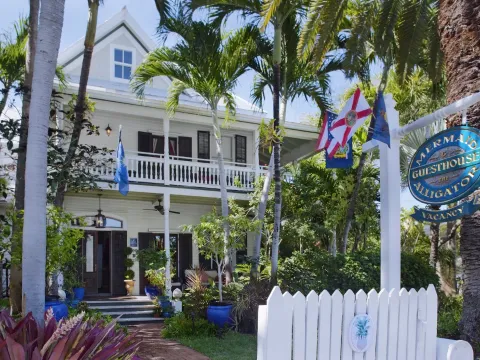
Walk one block off Duval Street and the mood shifts. Wooden porches, low-key inns, and guest rooms tucked behind picket fences replace the neon. The downtown grid runs roughly between the Key West Historic Seaport to the north and the Southernmost Point to the south, with smaller streets like Caroline, Eaton, Fleming, and Southard forming a patchwork of quieter corners that still keep you within a 5–15 minute walk of most sights.
Staying closer to the seaport puts you near boat charters, seafood shacks, and the working side of the island. Choose a hotel further south and you are nearer to the more residential lanes, where lush tropical gardens and frangipani trees frame historic houses. Properties such as small guesthouses on Southard Street or inns near Simonton Street often sit in 19th-century wooden homes listed within the Key West Historic District. Both areas still count as downtown Key West, but the feel is different enough that it is worth deciding which rhythm suits you.
Those who want to walk out to happy hour every night will appreciate being within a few hundred metres of Duval Street, where live music and late-night bars cluster between Caroline and Southard. Travelers who prefer a calmer night might look for guest rooms on side streets where the loudest sound after midnight is the rustle of palm leaves and the distant clink of rigging from the harbor. Either way, the scale of downtown keeps everything within easy reach, and most places remain less than a 20-minute stroll from Mallory Square or the Southernmost Point.
What to expect from rooms, suites, and pools
Inside many downtown hotels, space is at a premium, but character is not. You will find compact guest rooms in historic wooden houses, larger rooms and suites in more contemporary buildings, and occasionally small cottages or private annexes tucked into inner courtyards. Ceiling fans, white linens, and light woods are common, echoing the tropical climate outside, and typical room categories range from standard queen rooms to junior suites with balconies or small sitting areas.
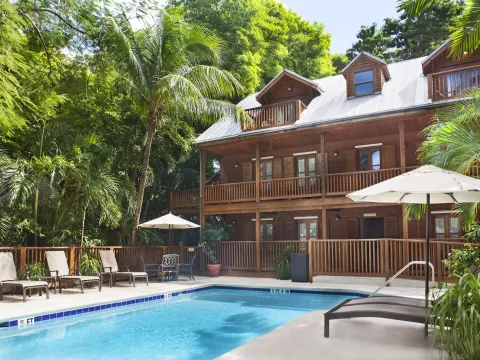
Swimming pools in downtown Key West tend to be intimate rather than expansive. Think shaded courtyards with a single pool framed by palms, rather than sprawling resort complexes. Many are roughly plunge-pool to small-lap size, big enough for a cooling swim but not designed for serious exercise. A pool becomes less about doing laps and more about cooling off after a day walking in the heat, or lingering with a drink before dinner while you listen to the muffled sounds of Duval Street a few blocks away.
Breakfast offerings vary widely. Some inns include a simple morning spread, sometimes served around the pool or in a small garden, while other properties focus more on nearby cafés and restaurants. When you check a hotel website, look closely at how they describe their rooms, suites, and shared spaces; in a dense, historic district, layout matters as much as décor. It is also worth noting whether parking is on-site, street-based, or valet only, as downtown spaces are limited and nightly parking fees can add noticeably to the overall room rate.
Location trade-offs: Duval Street, the seaport, and the edge of downtown
Being right on or just off Duval Street gives you immediacy. You step out and you are in the middle of downtown Key West nightlife, with bars, live music, and late-opening shops within a few minutes’ walk. For guests who plan to be out most of the night, this can be ideal, especially if they value the ability to walk back to their room without arranging transport. Boutique hotels near Duval Street often trade larger pools and parking lots for this central, walk-everywhere convenience.
Near the historic seaport, the mood leans more maritime. Hotels here are well placed for day trips on the water, from snorkeling excursions to sunset sails, and for waterfront dining. You are still downtown, but the soundtrack is more clinking rigging than bar playlists, and the air smells faintly of salt and grilled fish. It suits travelers who want easy access to the ocean without being right on a beach, and who like the idea of walking 5–10 minutes to Duval Street rather than sleeping directly above it.
On the edges of downtown, closer to the Southernmost Point, you gain a little more calm. Streets are narrower, traffic lighter, and many properties hide pools and gardens behind high hedges. These areas work well for guests who want to walk to Duval Street in around 10 minutes, then retreat to a quieter inn or hotel at night. From many of these southern blocks, you can also reach the Southernmost Point marker in roughly 5–8 minutes on foot, making it easy to catch sunrise there before the crowds arrive.
Beach access, tropical gardens, and what “historic” really means
One common misconception: downtown Key West is not a classic beach destination. There are small patches of sand and swimming piers within a short drive or bike ride, but most central hotels do not sit directly on a long beach. If your priority is to step from your guest room straight onto sand, you may prefer other parts of the island or elsewhere in the Florida Keys, and compare those options with downtown hotels that focus more on walkable nightlife and harbor views.
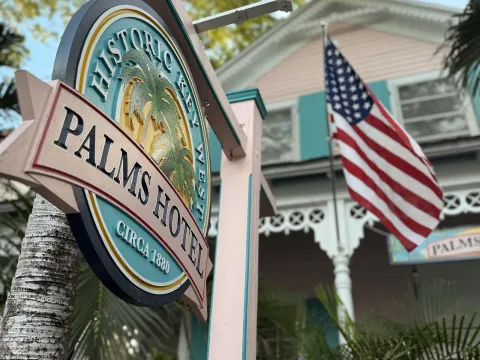
What downtown does offer is a different kind of tropical setting. Many properties make the most of inner courtyards, with lush tropical planting, small pools, and shaded patios that feel almost private despite the central location. You might find cottages or annexes set back from the street, where you wake to the sound of roosters rather than traffic and catch the smell of jasmine or frangipani drifting through open windows.
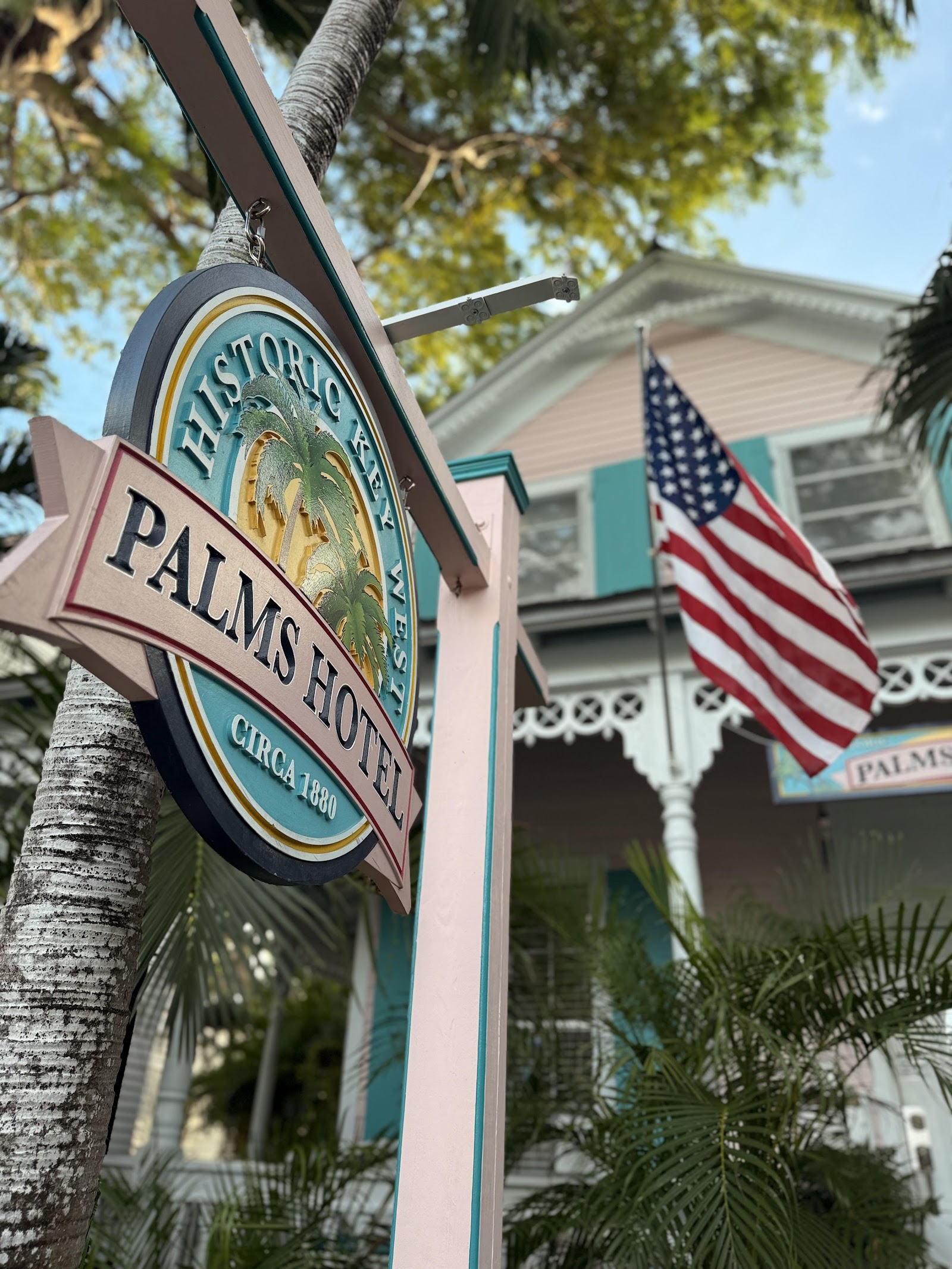
The term “historic” in Key West usually refers to architecture and atmosphere rather than formal museum-level preservation. Many houses in the Old Town and Key West Historic District date back more than a century, with wooden facades, shutters, and narrow staircases. When you check availability, pay attention to whether a hotel is in a historic building or a newer structure; older properties can offer charm and quirks, such as uneven floors and smaller bathrooms, while newer ones may provide more uniform layouts, elevators, and modern soundproofing.
How to choose the right downtown Key West hotel for your stay
Start with your priorities for the trip. If nightlife and restaurants are central to your plans, look for hotels in key locations within a few blocks of Duval Street, where you can walk to happy hour and back in minutes. If you prefer quieter nights, consider an inn or small hotel on a side street, where guest rooms face inner courtyards rather than the main road and where late-night music is more of a distant hum than a soundtrack.
Next, decide how much time you will spend on property. Travelers who plan to explore all day may be content with a comfortable room, a reliable swimming pool, and a straightforward breakfast. Those who expect to linger by the pool, enjoy long afternoons in the garden, or spend more time in their rooms might want larger rooms or suites, perhaps with a private terrace or direct pool access. Checking typical nightly rates for different room types and seasons can also help you decide whether to prioritize location, space, or amenities.
Finally, use each hotel website as a tool rather than a brochure. Look closely at maps to understand how far the property sits from the harbor, from the Southernmost Point, and from the busiest stretches of downtown. Check descriptions of guest rooms, pool areas, and any cottages or annexes, and note whether parking is included or charged separately. In a compact, characterful district like downtown Key West, these details shape the experience as much as any headline feature and help you find the best boutique hotel near Duval Street or the quietest inn near the seaport for your style of stay.
Is downtown Key West a good area to stay in?
Downtown Key West is an excellent area to stay if you want to be within walking distance of restaurants, bars, the historic seaport, and major sights such as the Southernmost Point marker. The area is compact, lively, and practical, especially for guests who prefer not to rely on a car. It suits travelers who value atmosphere and convenience over seclusion or direct beach access, and who like the idea of strolling 10–15 minutes between their hotel, Mallory Square, and Duval Street.
What should I check before booking a hotel in downtown Key West?
Before booking, check the exact location on a map, paying attention to the distance from Duval Street, the harbor, and quieter side streets. Review the layout and size of guest rooms, whether there is a pool or garden, and how breakfast is handled. It is also worth confirming parking arrangements and understanding whether the property is in a historic building, which can influence room shapes, stair access, and noise levels, especially if nightlife or early-morning deliveries are nearby.
Are there quiet places to stay in downtown Key West?
There are quiet places to stay within downtown, but they are usually found on side streets rather than directly on Duval Street. Inns and small hotels with inner courtyards, gardens, or cottages set back from the road tend to offer calmer guest rooms. Choosing a location closer to the southern or residential edges of downtown can also reduce late-night noise while keeping you within walking distance of the main sights, often no more than 10–20 minutes on foot from Mallory Square or the Southernmost Point.
Can I walk to the beach from a downtown Key West hotel?
Most downtown Key West hotels are not directly on a large beach, but you can usually reach small sandy areas or swimming spots with a short drive or bike ride. The downtown area itself focuses more on the harbor, historic streets, and nightlife than on long stretches of sand. If immediate beach access is your top priority, you may want to compare downtown options with properties in other parts of the island or elsewhere in the Florida Keys, then decide whether walkable restaurants or on-the-sand relaxation matters more for this particular trip.
Is a pool important when staying in downtown Key West?
A pool is not essential, but it can significantly improve comfort in the tropical climate, especially in the warmer months. Downtown pools are often compact and set in courtyards, providing a welcome place to cool off after walking around the island. For guests who plan to spend hot afternoons on property rather than at the beach, choosing a hotel with a pleasant pool area is a smart decision, and checking photos or descriptions of pool size and shade can help you pick the right fit.