Planning where to stay in Key West? Discover what it’s really like to book a hotel on Duval Street, from atmosphere and noise levels to pools, pet policies, and which stretch of the street best fits your trip.
Why Duval Street is a strategic place to stay in Key West
Step out of your room and straight into the island’s main stage. That is the real promise of a hotel on Duval Street in Key West. This narrow spine, running from the Gulf of Mexico to the Atlantic, concentrates many of the island’s top attractions, from the sunset ritual at Mallory Square to the crowds heading toward the Southernmost Point marker.
Staying here suits travelers who want to walk everywhere. The historic street is roughly 2 km long, and a hotel anywhere between the 0 and 500 blocks puts you within a short stroll of the harbor, the Hemingway Museum area, and many of the island’s restaurants and bars. For instance, Pier House Resort & Spa at 1 Duval Street sits about 300 m from Mallory Square, while the small boutique hotel Almond Tree Inn at 512 Truman Avenue (just off Duval) is roughly 650 m from the Ernest Hemingway Home & Museum and 1 km from the Southernmost Point. You trade seclusion for immediacy, but you gain the ability to explore the west side of the island without ever touching your car keys.
Noise is the main trade-off. A street hotel directly on the busiest stretch of Duval can hum late into the night with live music and bar traffic. Guests who prefer a quieter stay should check whether rooms face Duval Street or a rear courtyard, and whether the property offers interior-facing rooms or a separate house wing set back from the main street. For many, the energy is part of the island vibe; for light sleepers, it can be a deal-breaker, so review recent guest comments about noise as carefully as you would star ratings or photos.
Atmosphere and architecture: understanding the Duval Street hotel experience
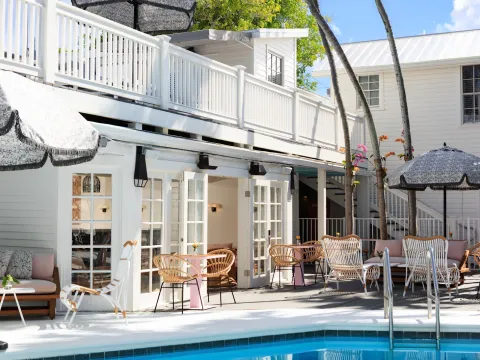
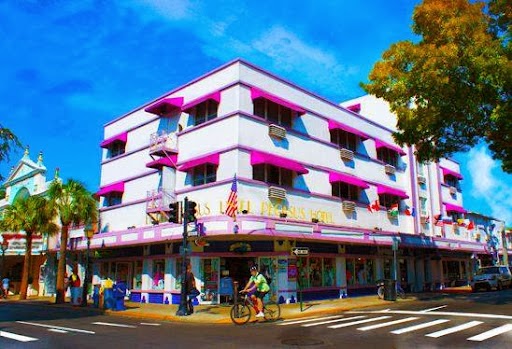
White clapboard façades, wraparound porches, and shutters catching the trade winds define much of Duval’s historic architecture. Many hotels occupy former conch houses or early 20th century buildings that have been carefully renovated, preserving original staircases, wooden floors, and high ceilings. You feel the age of the place in the details: a slightly uneven corridor, a veranda overlooking the street, a lobby that feels more like a living room than a conventional reception hall.
The atmosphere shifts as you move along the street key. Near Mallory Square, the mood leans toward harbor life and sunset watching, with properties often oriented toward the Gulf and the marina. Hyatt Centric Key West Resort & Spa at 601 Front Street, for example, sits about 450 m from Duval Street and 500 m from Mallory Square, combining waterfront views with easy access to the northern end of the strip. Farther south, closer to the Hemingway Museum and the Southernmost Point, the feel becomes more residential, with leafy side streets and quieter guest houses just off Duval. Choosing a hotel key location along this axis has more impact on your stay than many first-time visitors expect.
Luxury and premium hotels here rarely shout about it. Expect restrained design rather than flashy décor: neutral palettes, ceiling fans, and local art instead of generic prints. The best places to stay balance the historic shell with contemporary comforts, offering well-insulated rooms, quality bedding, and thoughtfully designed pools or spa areas tucked away from the street. When you check availability, look for clear descriptions of whether your room faces the street or an inner courtyard; that single detail can transform your experience, especially in compact historic properties.
Rooms, pools and spa: what to expect from premium Duval Street hotels
Room categories on Duval Street tend to be compact but characterful. Many properties work within the footprint of historic buildings, so you will see a mix of standard rooms, larger corner rooms with extra windows, and a few suites carved out of former parlors or upper-floor spaces. High ceilings and French doors to small balconies often compensate for smaller floor areas, especially in older houses converted into hotels.
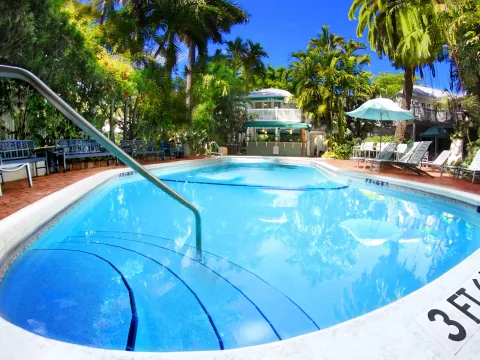
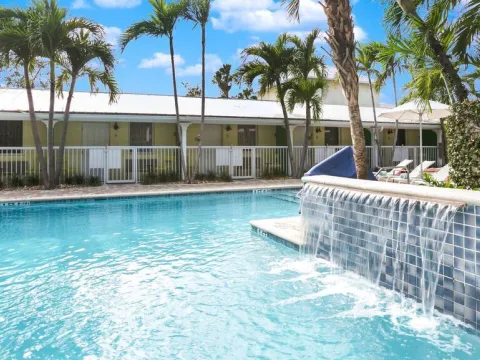
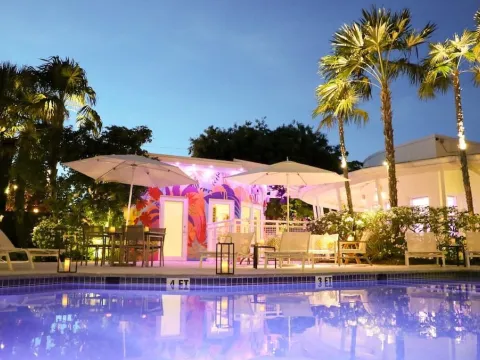
For many travelers, the pool is non-negotiable in the Florida Keys climate. On Duval, pools are usually courtyard-style rather than expansive resort lagoons, framed by palms and privacy walls. The most appealing ones feel like hidden gardens, with loungers in dappled shade and poolside service that lets you linger between a morning walk to Mallory Square and an afternoon visit to the Ernest Hemingway home. If a spa matters to you, verify that there is a dedicated spa facility rather than just in-room treatments; some properties offer full-service spas with multiple treatment rooms, saunas, and relaxation areas.
Premium hotels in this area often include thoughtful extras that quietly elevate the stay. You may find complimentary coffee in a shaded courtyard at sunrise, or a small welcome amenity in your room that nods to the island, such as local bath products. When you check room descriptions, pay attention to whether there is direct pool access, a private terrace, or simply a window over Duval Street; each configuration suits a different type of traveler, from those who want to watch the street life to those who prefer a secluded retreat behind the façade. As a rough guide, expect mid-range boutique hotels on or near Duval to start around the upper mid-hundreds per night in low season and climb significantly during peak winter and festival periods.
Choosing the right stretch of Duval Street for your stay
The northern end of Duval, near the 0 and 1 addresses by the harbor, works best for travelers who want immediate access to the water. From here, you can walk less than 300 m to the docks for sailing excursions, sunset cruises, and day trips around the island. Hotels in this zone often feel more resort-like, with pools and spa facilities oriented toward the Gulf side and easy access to the nightly gathering at Mallory Square. Pier House Resort & Spa, for example, is steps from the water and roughly 600 m from the start of the main bar and restaurant cluster along Duval.
Mid-Duval, around the 300 to 600 blocks, is the liveliest section. This is where the island’s bar scene, many restaurants, and much of the evening entertainment concentrate. Staying here places you in the center of the action, but it also means accepting higher noise levels, especially in rooms that face the street. If you choose this area, prioritize properties that offer interior rooms or a rear house wing, and check whether windows are sound-insulated. Couples who want nightlife on the doorstep often gravitate to this stretch, while families and light sleepers may prefer to be a few blocks away on a side street.
Farther south, as Duval approaches the Atlantic and the Southernmost Point, the rhythm slows. Side streets lined with conch-style homes and small inns create a more residential feel, while still keeping you within walking distance of the main attractions. This part of Duval suits guests who want to stay key west style, meaning they can dip into the nightlife when they wish but retreat to a quieter room afterward. It is a subtle but important distinction when deciding where to book your hotel in Key West, especially if you are planning a longer stay or traveling with children.
Pet-friendly stays, access and practical details to check before booking
Travelers arriving with a dog will find that pet friendly policies vary widely along Duval Street. Some hotels welcome pets in specific room categories or ground-floor units, often with direct access to a courtyard or small garden. Others restrict animals entirely, especially in historic buildings where original flooring and narrow staircases complicate access. Before you commit, verify not only whether pets are allowed, but also any size limits and where on the property they can accompany you.
Parking is another practical point that deserves attention in this compact part of Key West. Many historic properties were built long before cars, so on-site spaces can be limited or configured in tight courtyards. If you plan to explore beyond the island, perhaps up toward Concha Key or other parts of the Florida Keys, it is worth checking how easy it will be to retrieve your car and whether there is a clear system for entering and exiting the property. For guests who intend to stay mostly on foot, proximity to Duval’s central blocks may matter more than parking convenience.
Accessibility in older buildings can also be uneven. Some hotels on Duval Street occupy the tallest historic structures in town, which may mean upper floors reached by lifts, while others rely on original staircases. If step-free access, wider doorways, or specific bathroom layouts are important, review room descriptions carefully and prioritize newer wings or purpose-built sections. A thoughtful match between your needs and the property’s layout will do more for your comfort than any decorative flourish, so do not hesitate to contact the hotel directly with detailed questions before you reserve.
Who a Duval Street hotel suits best – and when to look elsewhere
Guests who thrive on atmosphere will feel at home on Duval. If you like to step out of your hotel and immediately sense the island vibe – the sound of live music drifting from open doors, the smell of grilled seafood, the sight of bicycles weaving down the street – this is your natural base. You can walk to many of Key West’s top attractions, including the Hemingway Museum area, the harbor, and the Southernmost Point, without ever needing a car or a taxi.
Duval Street hotels work especially well for short stays of two or three nights, when you want to compress as much of the island as possible into a brief visit. They also suit travelers who appreciate historic surroundings and do not mind that rooms may be more idiosyncratic than in a modern resort. If your ideal place to stay includes a courtyard pool, a small spa, and the ability to wander out for a late-night drink without planning, this area delivers. Couples often favor mid-Duval for nightlife, while families and quieter travelers tend to look toward the harbor end or the southern blocks near the Atlantic.
Those seeking complete seclusion, expansive beachfronts, or large-scale resort facilities may prefer to look beyond Duval, either to quieter neighborhoods in Key West or to other keys along the Florida Keys chain. A hotel set away from the main street will generally offer more space, deeper quiet, and a stronger focus on the natural environment. The decision comes down to this: do you want the island’s energy at your doorstep, or do you prefer to visit it on your own terms and retreat to a more private enclave afterward?
Is a hotel on Duval Street in Key West a good choice?
A hotel on Duval Street is an excellent choice if you want to be in the heart of Key West, within walking distance of major sights, restaurants, and nightlife, and you are comfortable with a lively atmosphere and some street noise. It suits travelers who value characterful, often historic properties with courtyard pools and easy access to places like Mallory Square, the Hemingway Museum area, and the Southernmost Point. If you prioritize absolute quiet, expansive grounds, or a more secluded island retreat, a location away from Duval Street may be a better fit.
FAQ
What should I check before booking a hotel on Duval Street?
Before booking, check whether your room faces Duval Street or an interior courtyard, as this strongly affects noise levels. Review details about the pool and any spa facilities if those are important to your stay, and confirm practical aspects such as parking arrangements, accessibility in historic buildings, and whether the property offers pet friendly rooms if you are traveling with an animal. Finally, look at the specific block of Duval Street, since the atmosphere near the harbor differs from the quieter southern end.
Is Duval Street walkable to Key West’s main attractions?
Duval Street is one of the most walkable areas in Key West, and staying on or just off it places you close to many top attractions. From most hotels along the street, you can walk to Mallory Square for sunset, reach the Hemingway Museum area in a few minutes, and continue down to the Southernmost Point marker without needing a car. The compact size of the island’s historic core makes Duval an efficient base for exploring on foot.
Are Duval Street hotels suitable for families?
Some Duval Street hotels can work well for families, especially those with quieter courtyard pools and larger room configurations or suites. However, the central blocks of the street can be lively late into the evening, so families with young children or light sleepers may prefer properties at the northern or southern ends, or on nearby side streets. When considering a family stay, focus on room layout, pool setting, and the immediate surroundings of the hotel.
Can I find pet friendly accommodation on Duval Street?
Pet friendly accommodation does exist on and around Duval Street, but policies vary significantly between properties. Some hotels allow pets only in specific rooms or ground-floor units with easier outdoor access, while others do not accept animals at all, particularly in more delicate historic buildings. It is essential to review each property’s pet policy in detail, including any size limits or restricted areas, before finalizing your reservation.
When is staying on Duval Street not the best option?
Staying on Duval Street may not be ideal if you are highly sensitive to noise, seeking a very tranquil environment, or planning a longer stay focused on relaxation rather than exploration. Travelers who prioritize expansive grounds, direct beach access, or a more secluded island setting often prefer hotels in quieter parts of Key West or on other keys within the Florida Keys. In those cases, Duval is better enjoyed as a place to visit for an evening rather than as your primary base.